ALBUS
Team: Samuel Idarraga
be the first glimmer after the darkness.
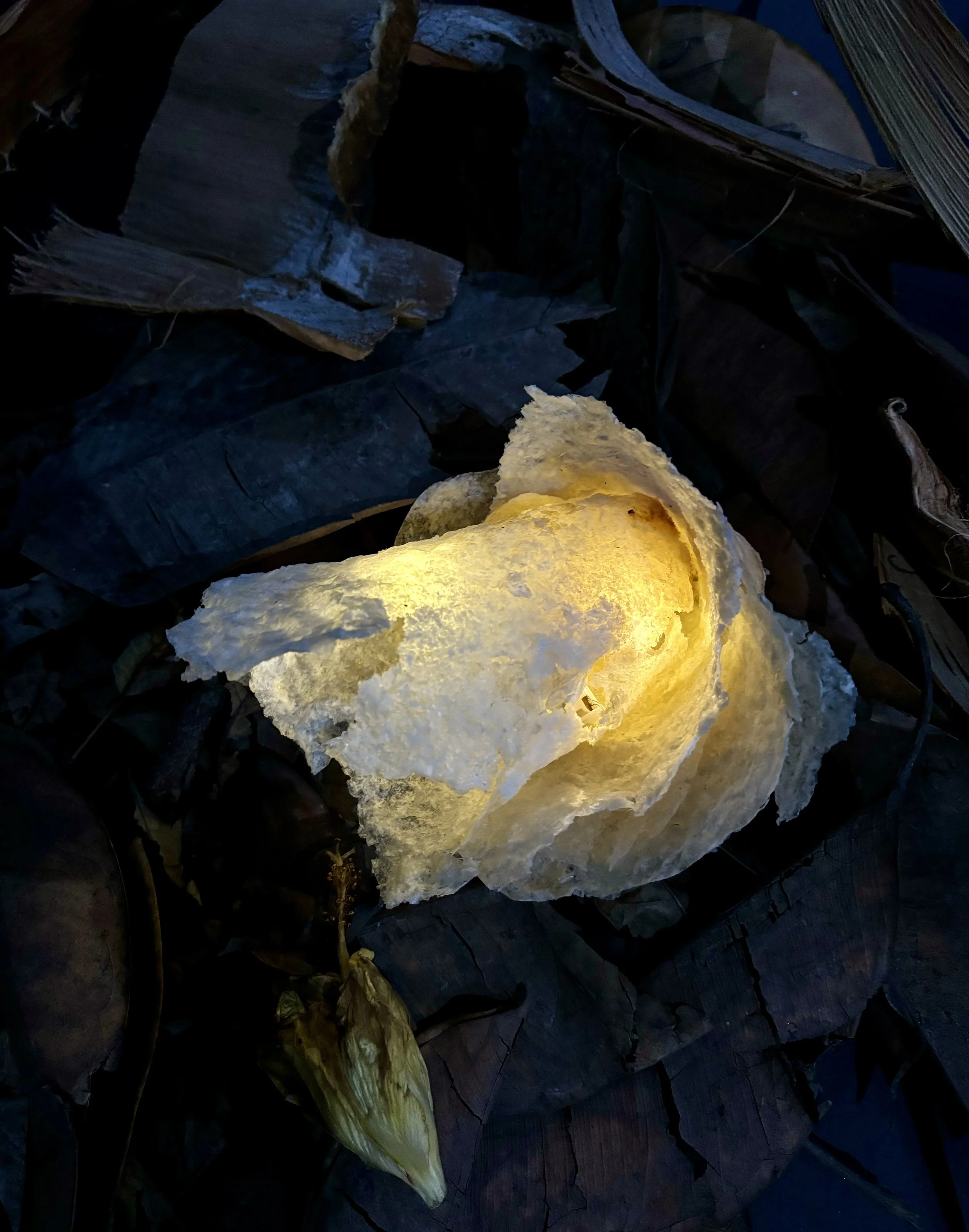
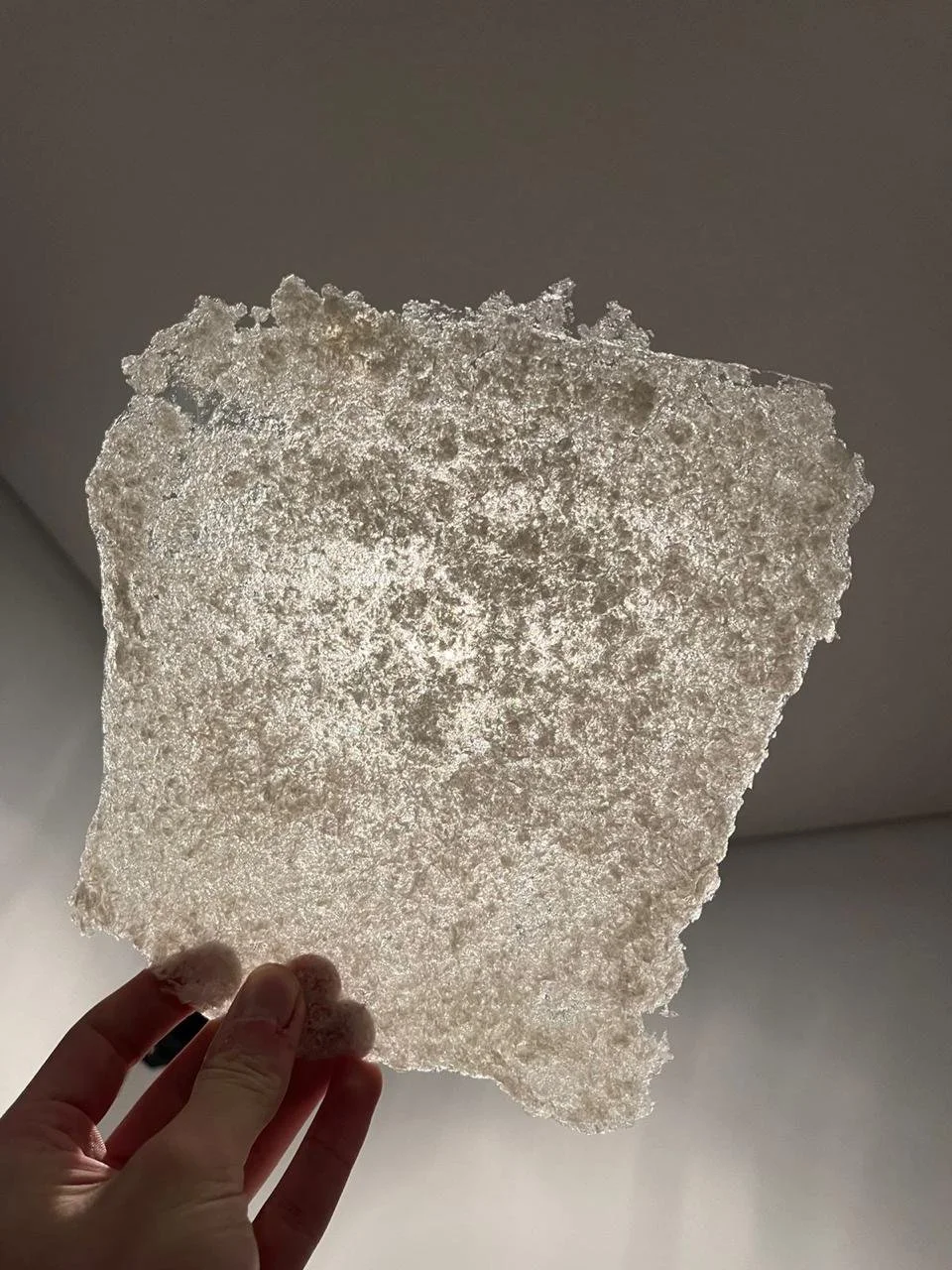
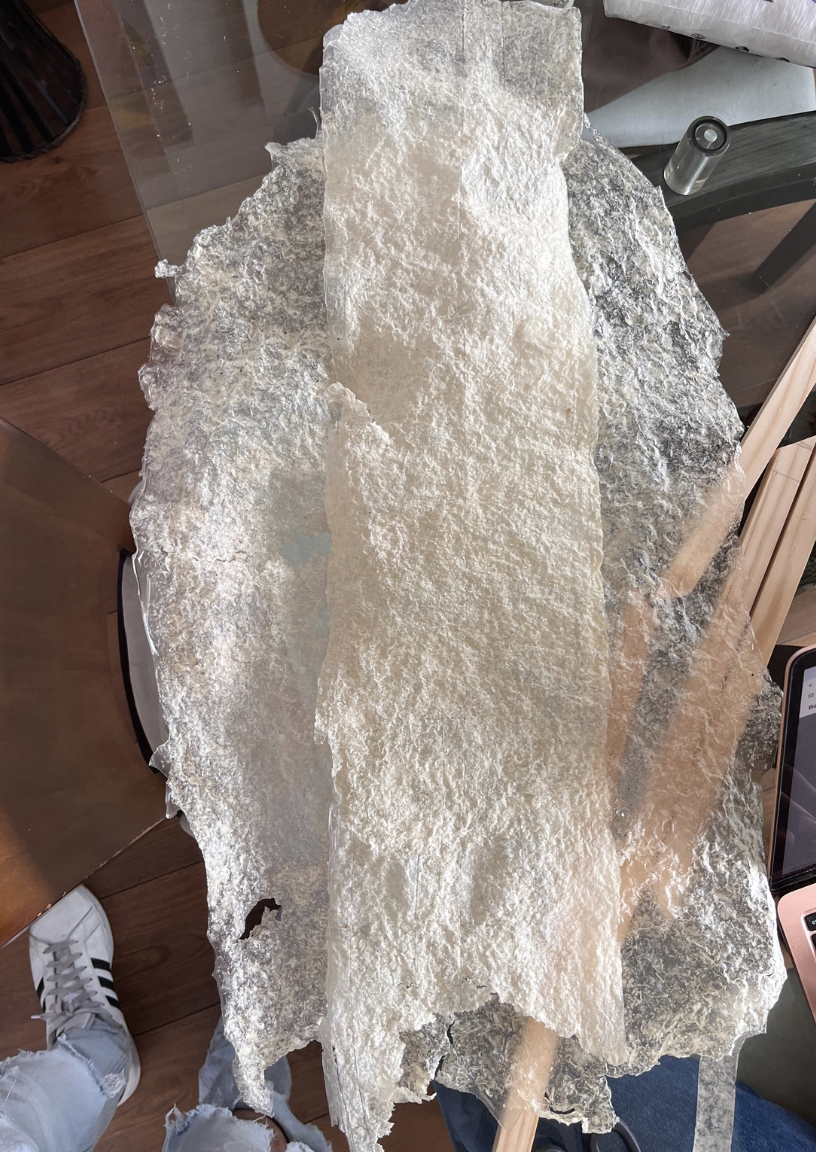
Albus is a biomaterial made from FISH SCALES that seeks to represent the impact light has on our perception: without direct light, it appears dry, lifeless, and withered. But when direct light hits it, it comes to life and is revitalized. In both moments, its fragility remains, but there is beauty in its transience.
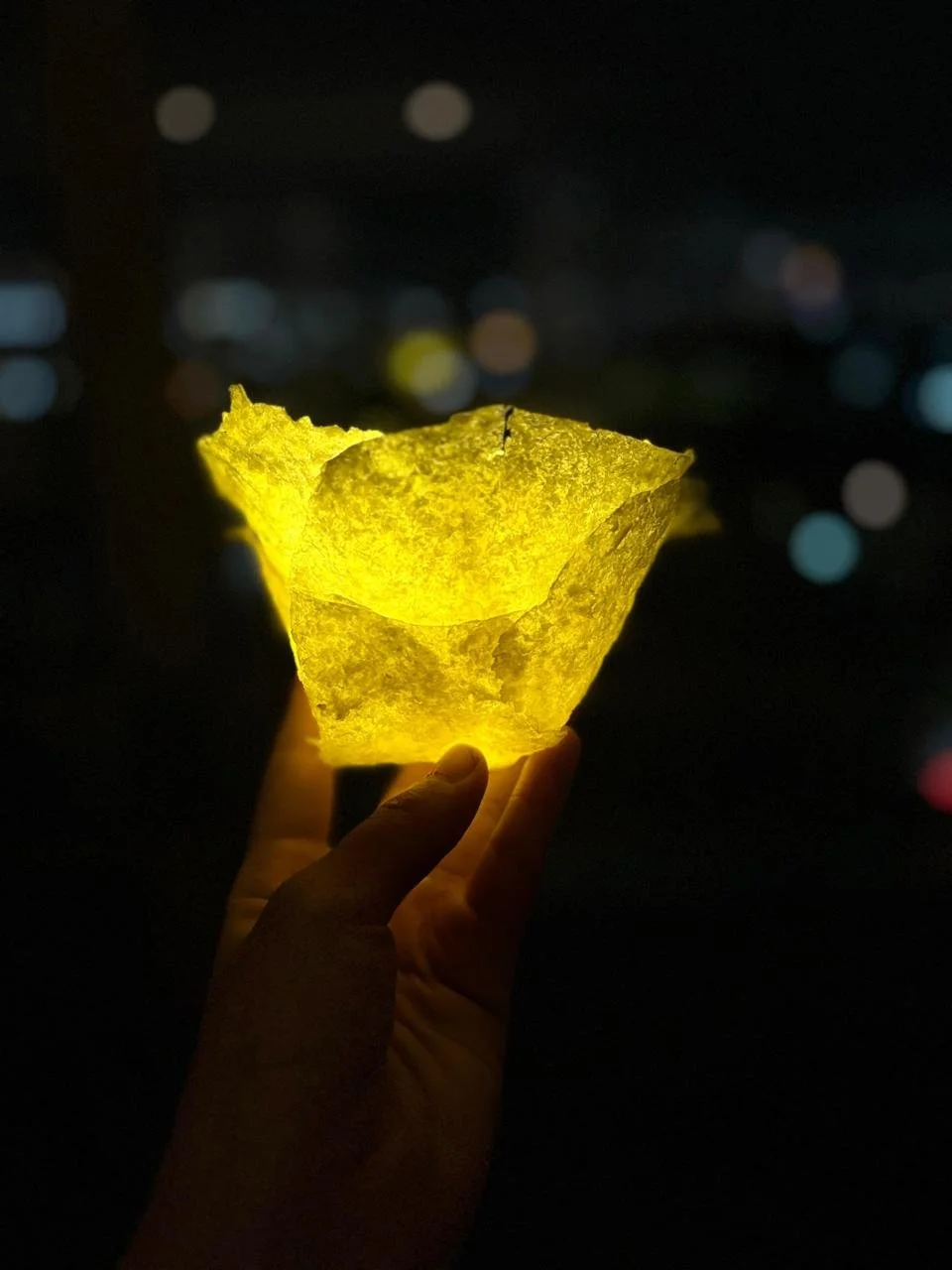
*Sample of the biomaterial with light inside
WHERE DOES IT COME FROM?
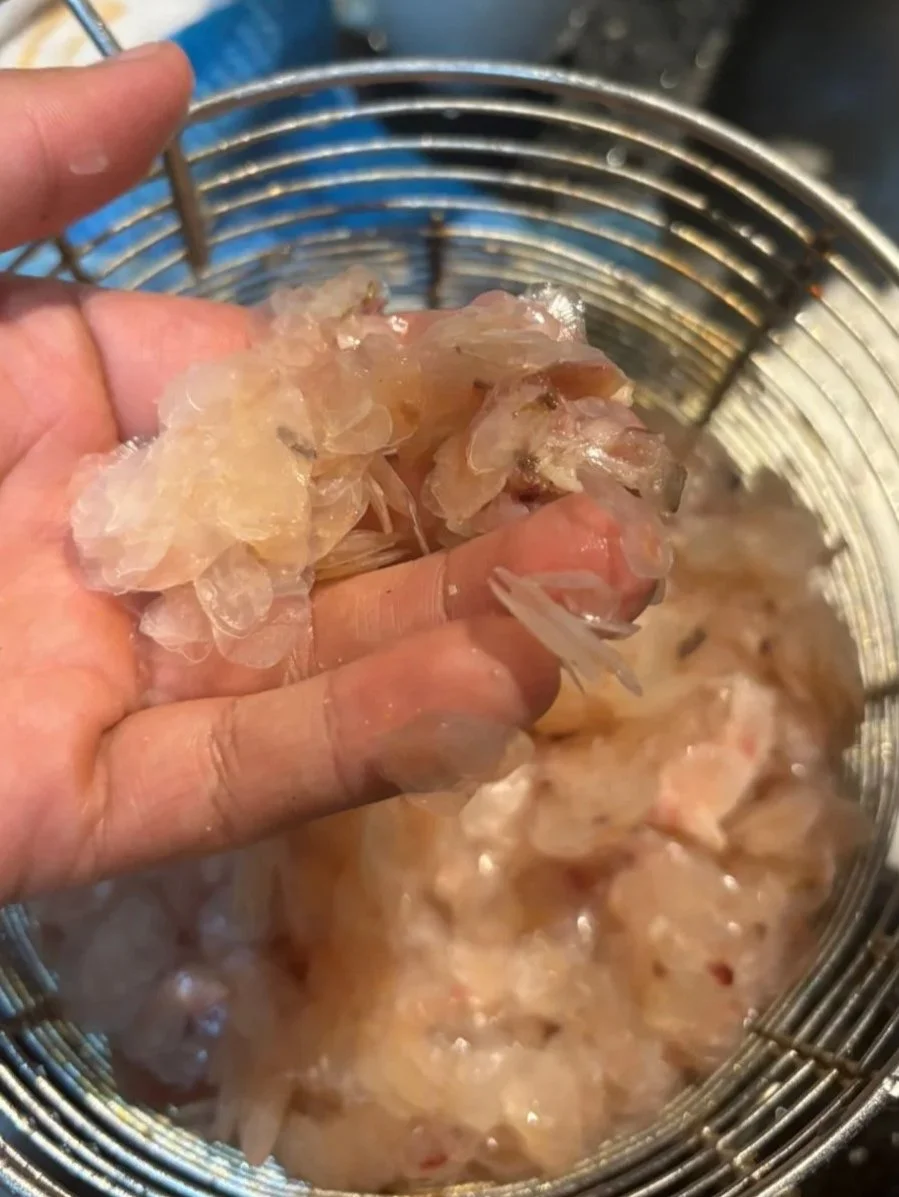
It stems from the idea of making use of waste fish scales, which are available in large quantities, to create a UNIQUE, DURABLE, USEFUL, and BEAUTIFUL biomaterial.
Process
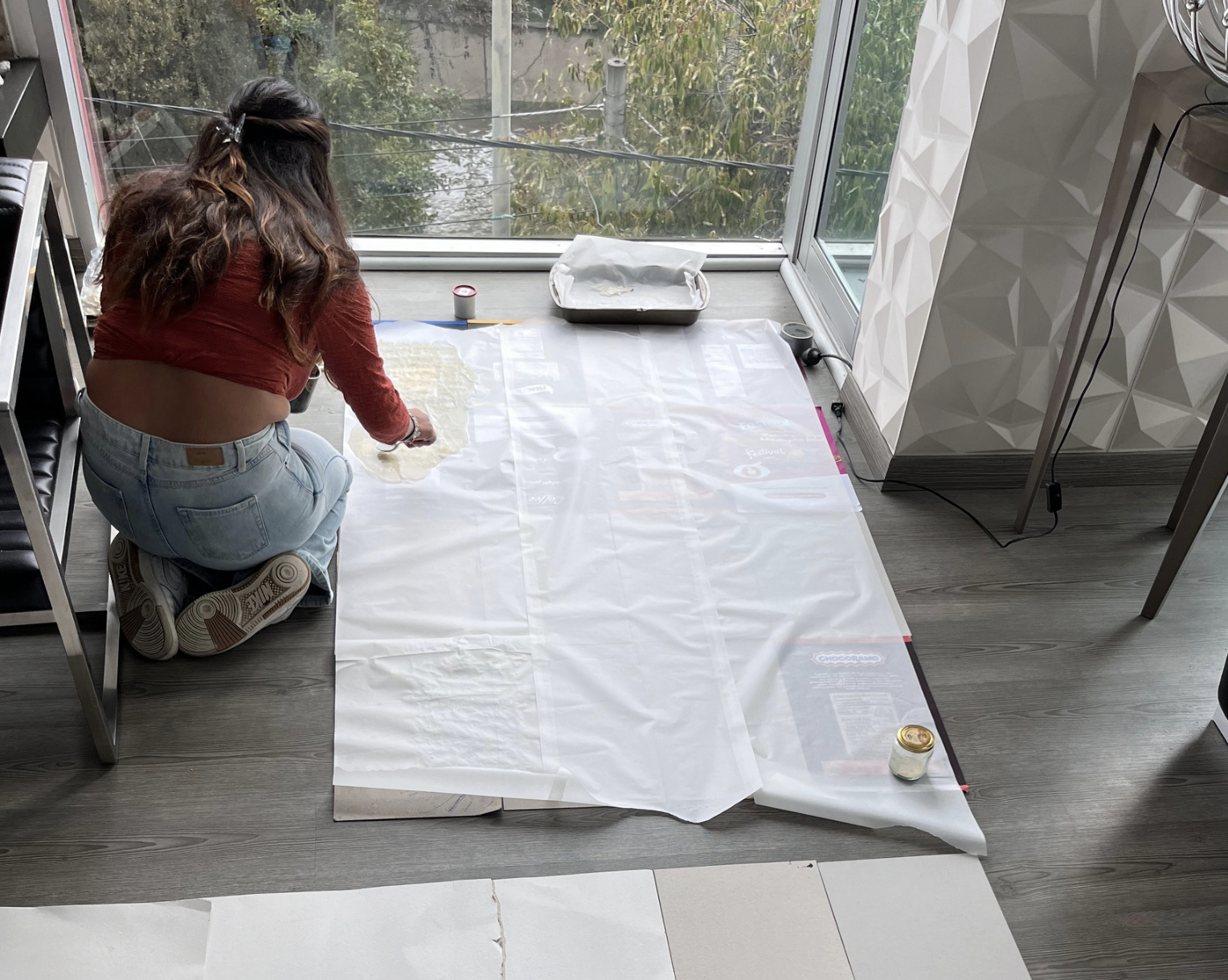
The development process for ALBUS began with an in-depth exploration of the properties of its main raw material: FISH SCALES. Throughout the process, numerous experiments were conducted with different ingredients, proportions, and processing techniques, with the goal of understanding the material’s behavior and achieving the strength, texture, and flexibility required for the final product.
-
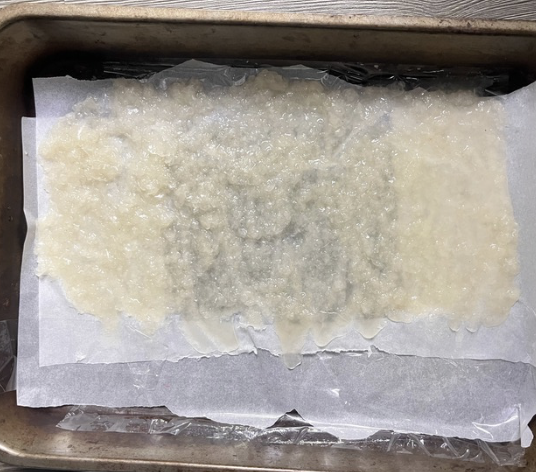
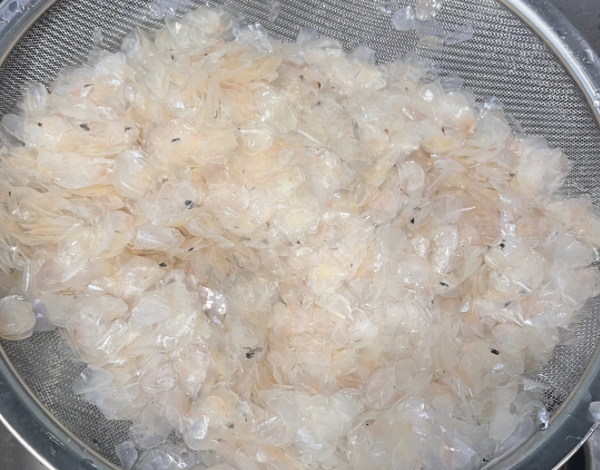
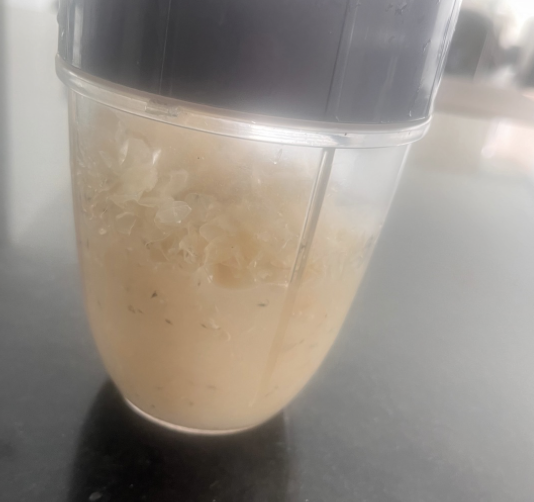
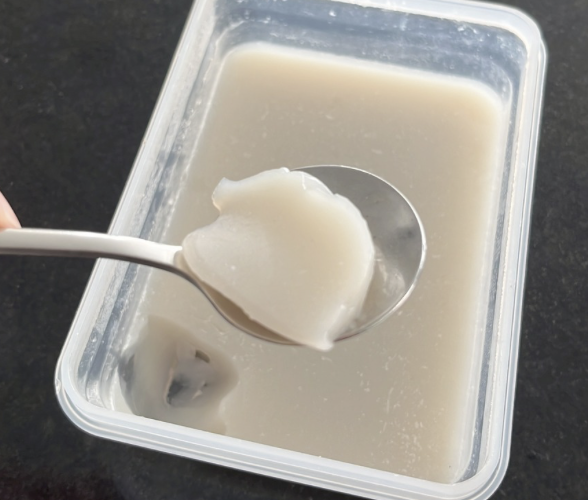
The research focused primarily on the development of biomaterials made from a gelatin and glycerin base. In addition, collagen was extracted from the fish scales themselves and incorporated as an emulsifying agent to help stabilize the mixtures and improve their properties.
During the process, fish scales were used in both powdered and crushed forms, and the behavior of each form within the formulations—as well as its influence on the final properties of the biomaterial—was evaluated.
Cornstarch was the predominant starch source used, due to its ability to provide consistency and stability to the mixtures during the experimentation.
-
In order to understand the behavior of the scales within the biomaterial, experiments were conducted using different processing methods to produce a material that would be easier to incorporate into mixtures.
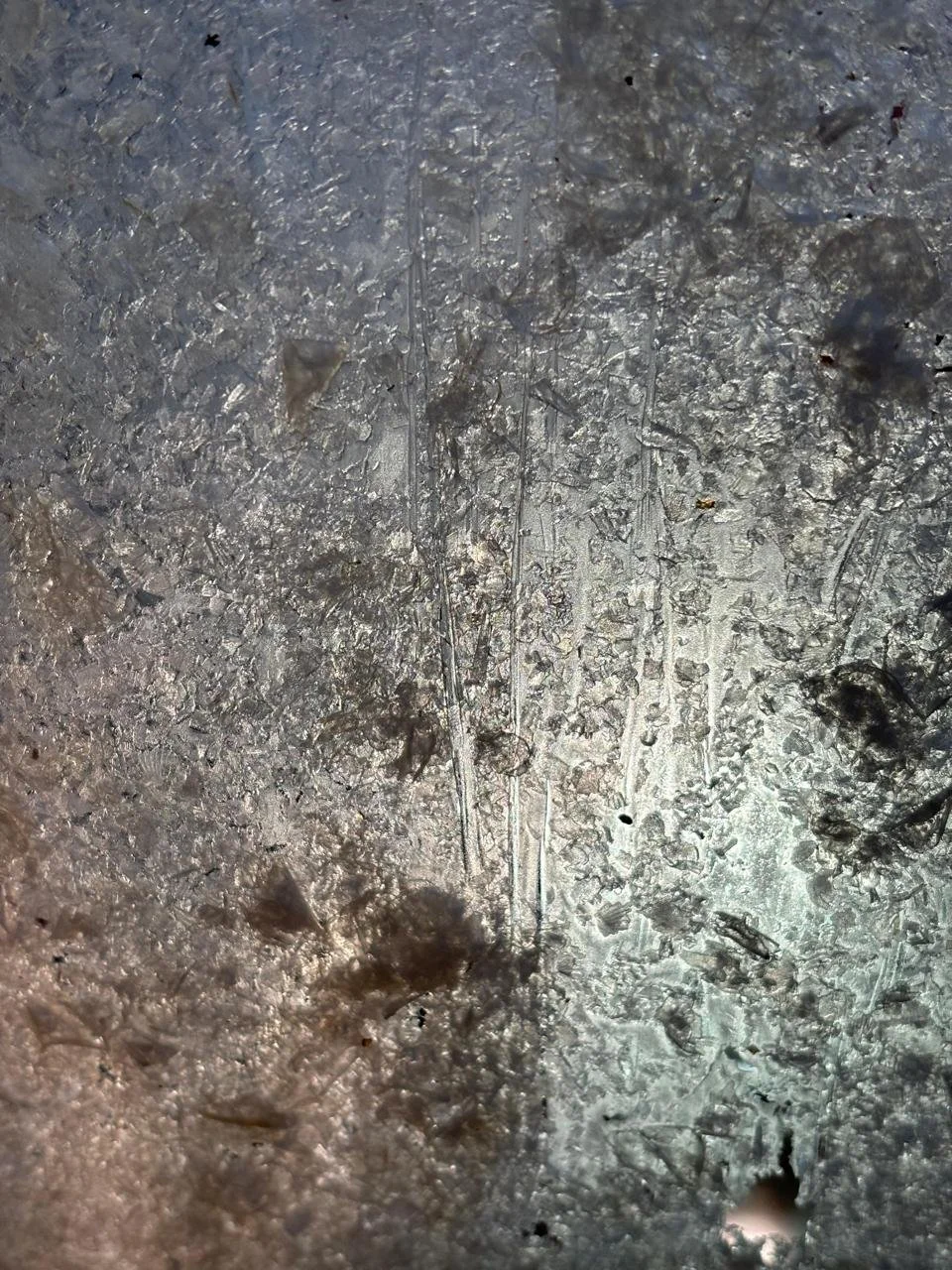
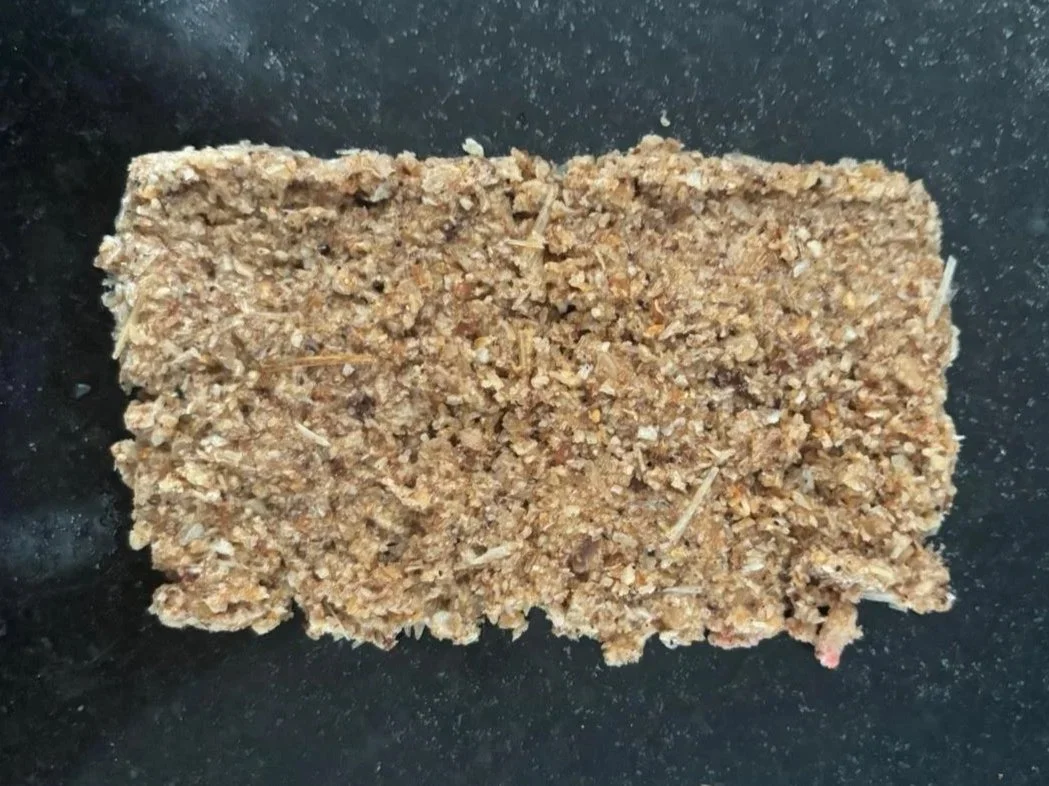
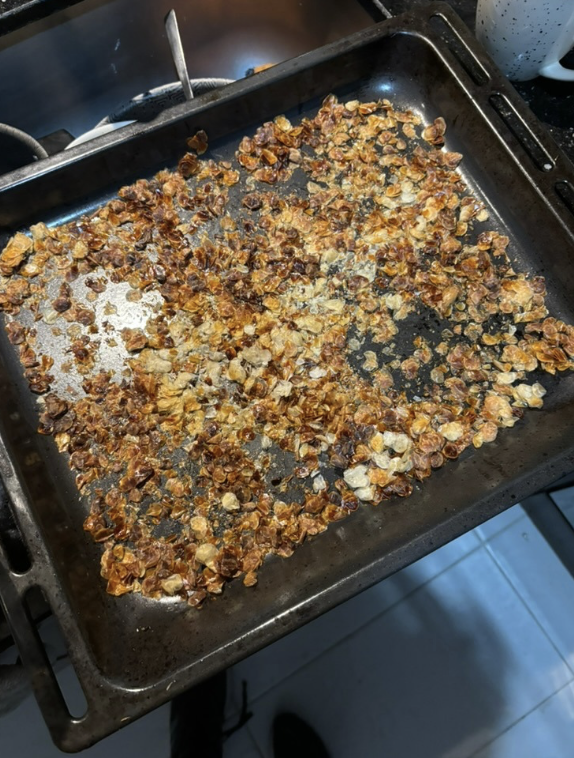
To this end, the scales were subjected to various treatments, such as drying and subsequent grinding, resulting in an orange-colored powder due to oxidation and the concentration of natural pigments during the process.
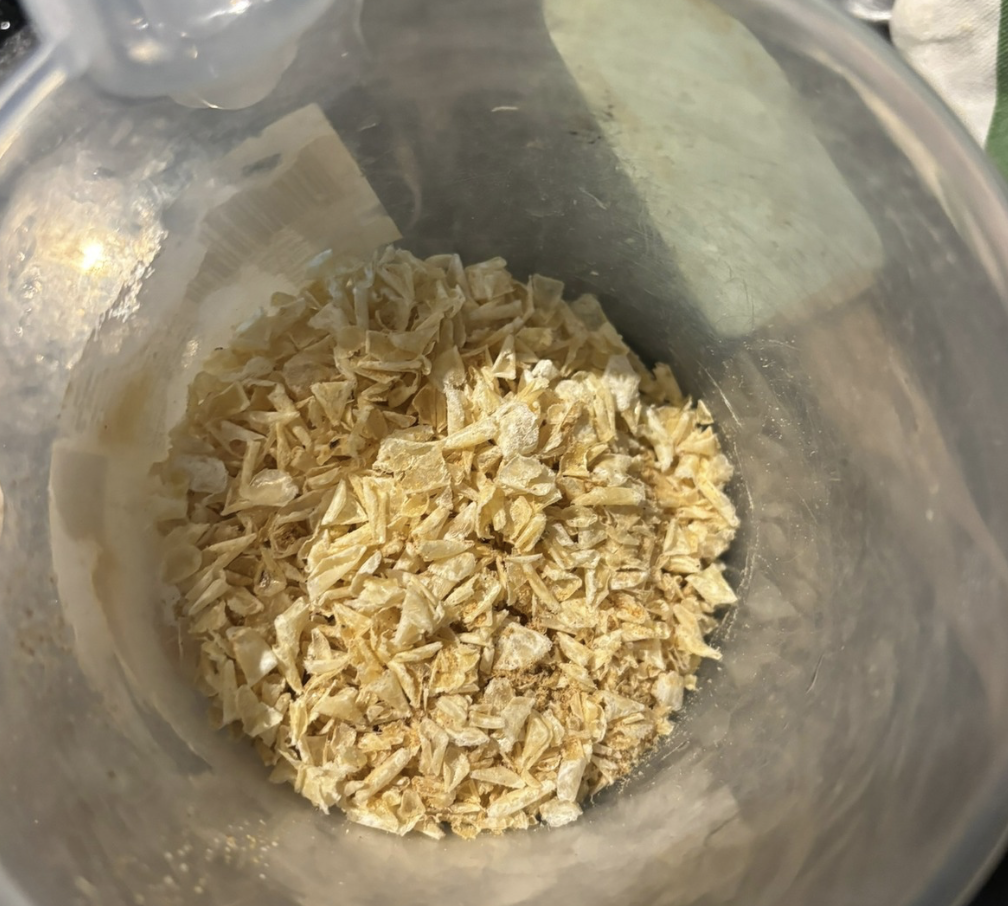
In addition, the flakes were processed using a method designed to extract collagen. After this process, the remaining material was ground into smaller particles, resulting in a powder with a lighter, more transparent appearance.
The differences between these two processing methods directly influenced the visual characteristics of the biomaterial, particularly its COLOR, leading to variations in the samples depending on the type of powder or scale used in each formulation.
-
The goal of the experiment was to develop a malleable biomaterial that would retain the inherent qualities of fish scales without losing its material identity. The aim was to create a lightweight material with a certain degree of rigidity and transparency, but at the same time, would offer sufficient flexibility to allow for manipulation and adaptation to different applications.
Furthermore, the goal was to avoid a result consisting solely of a clump of scales bound together with gelatin.
Instead, the aim was to achieve a homogeneous mixture in which all components interacted uniformly, resulting in a biomaterial with its own distinct properties.
Samples
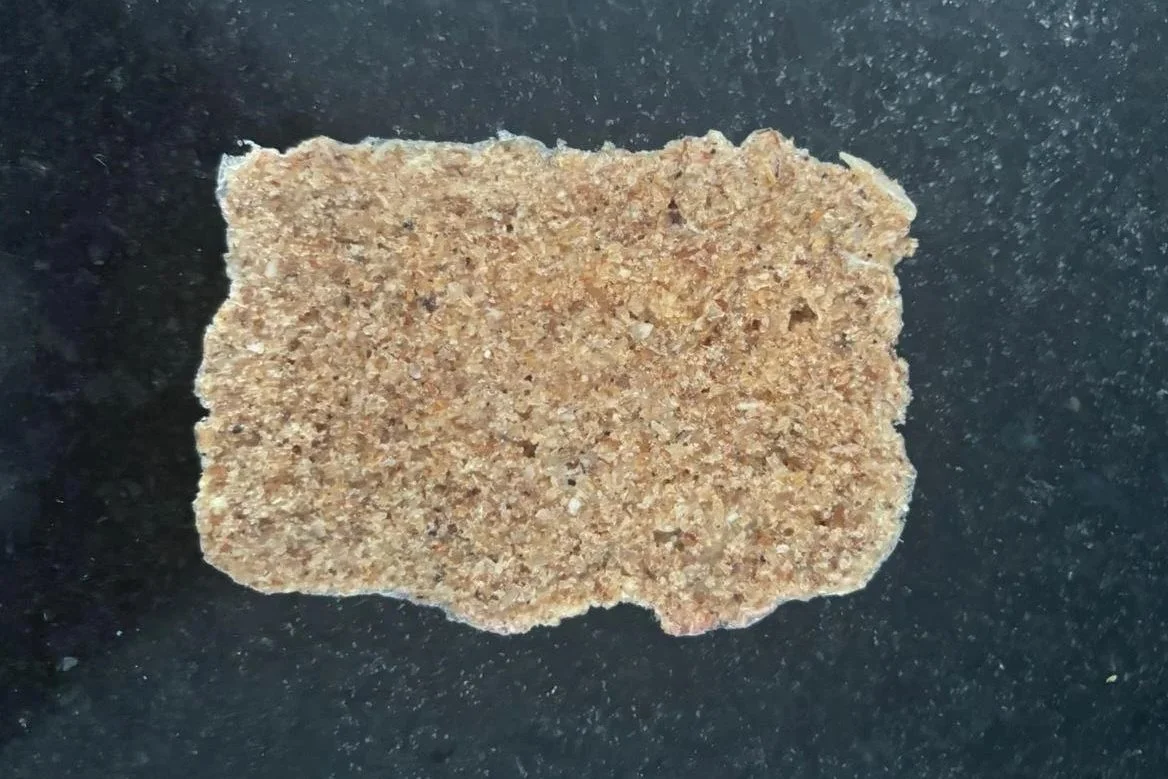
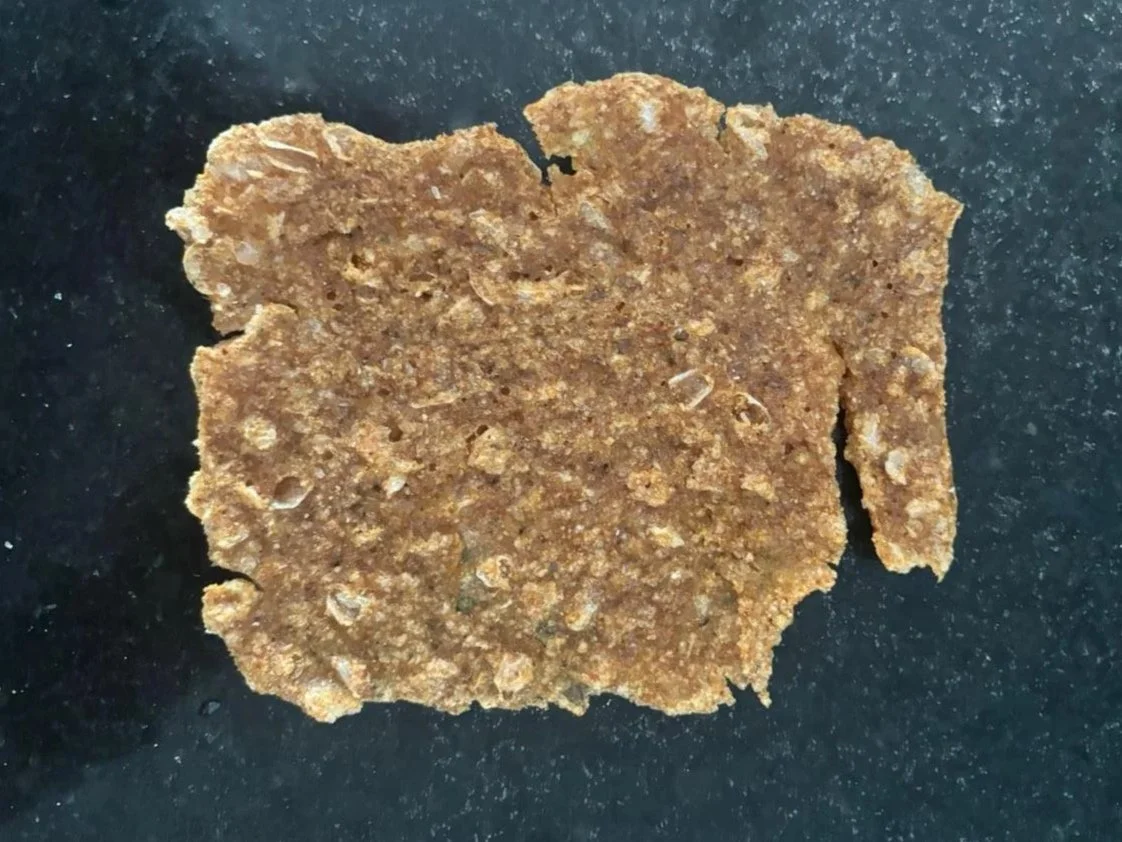
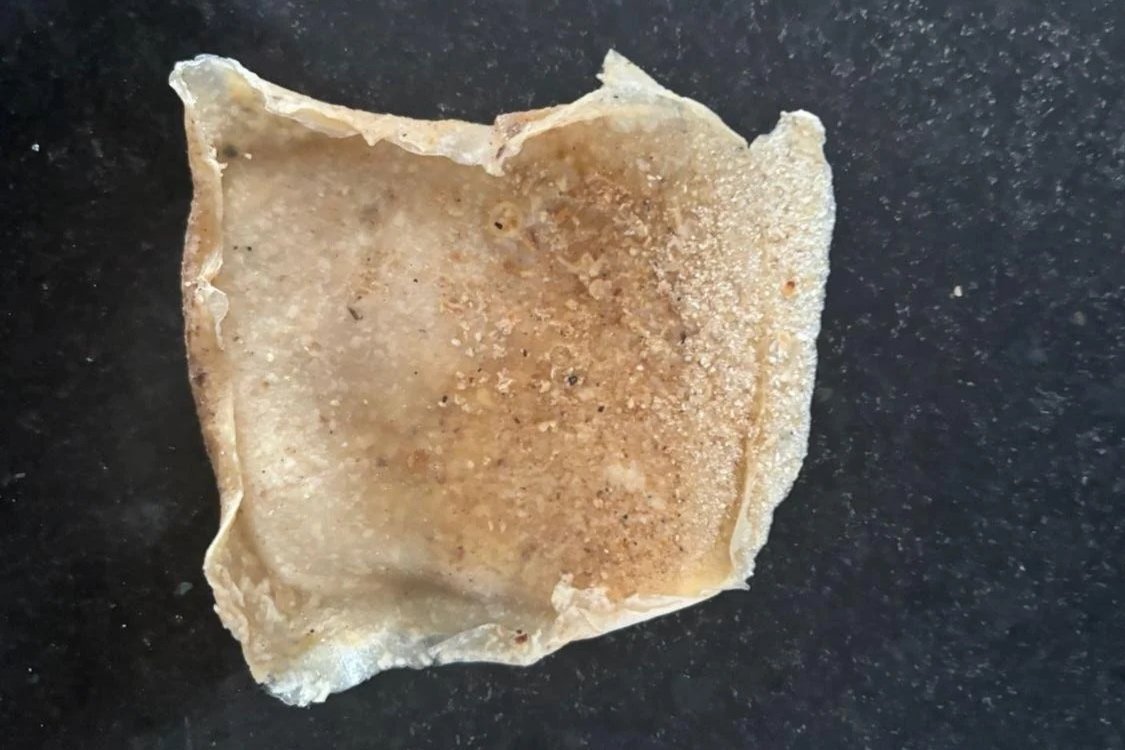
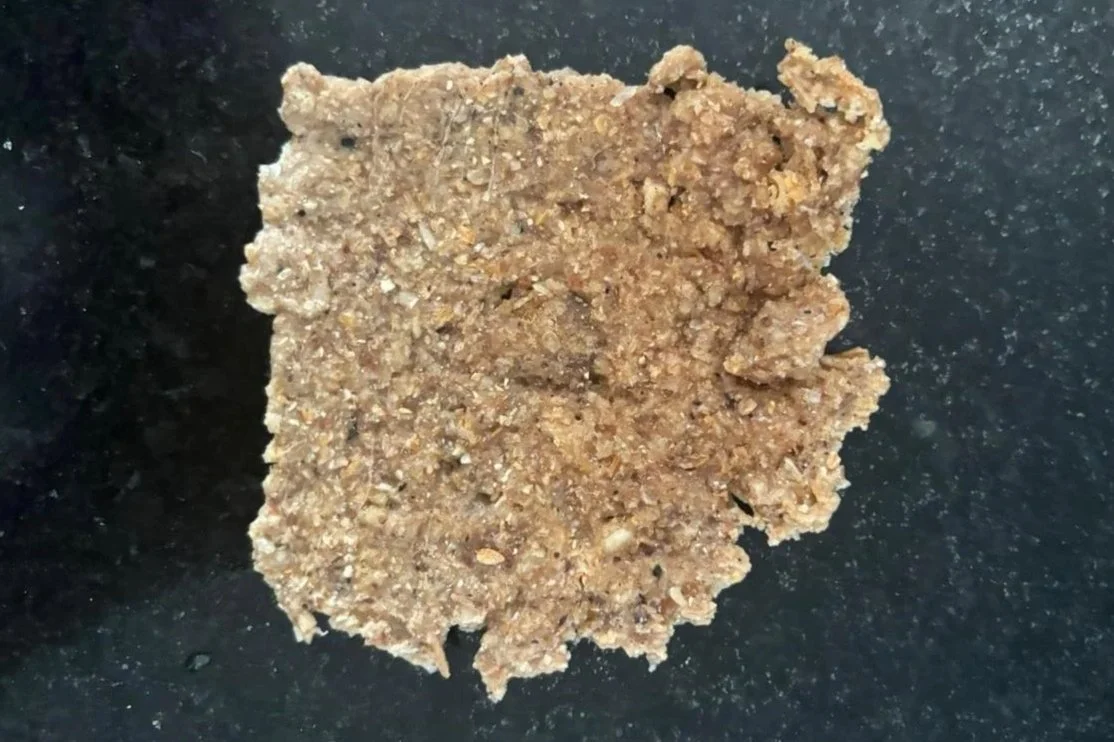
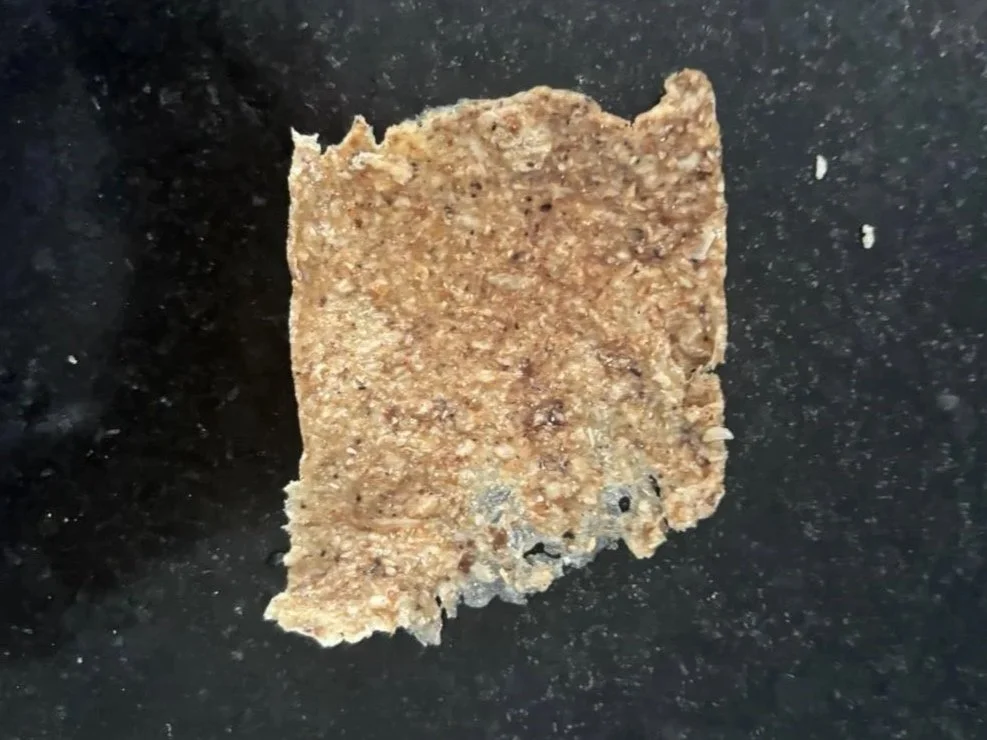
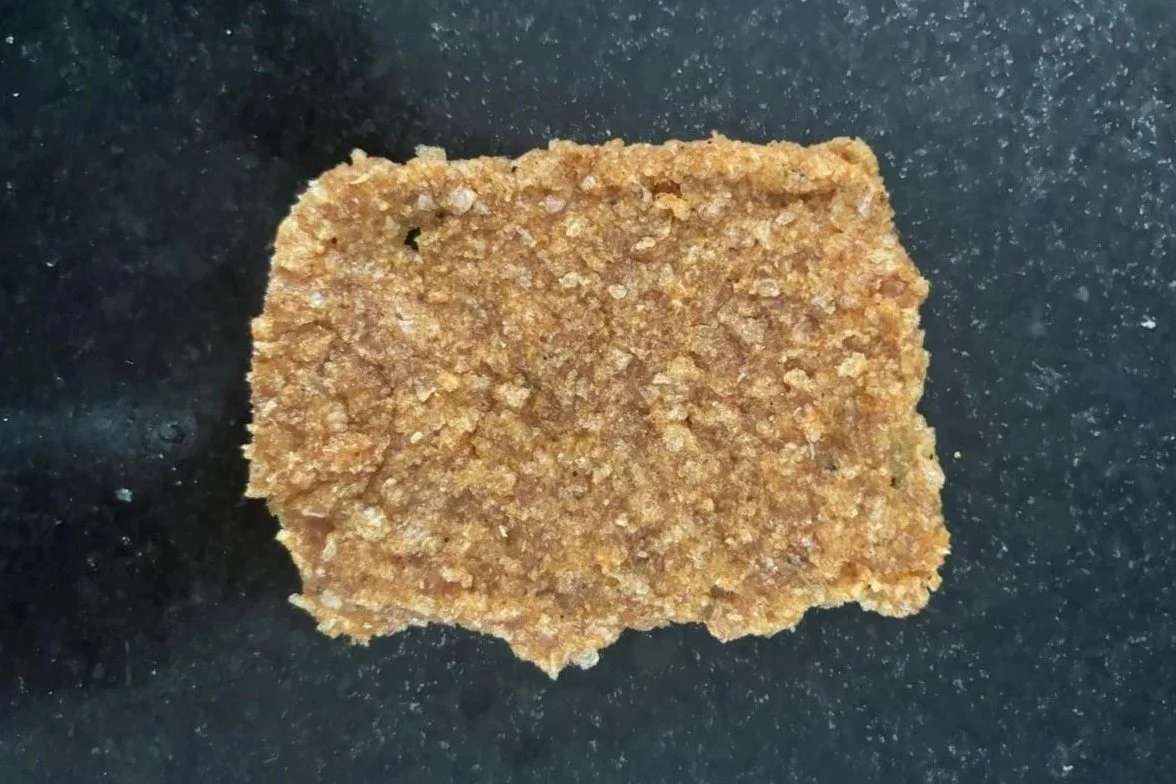
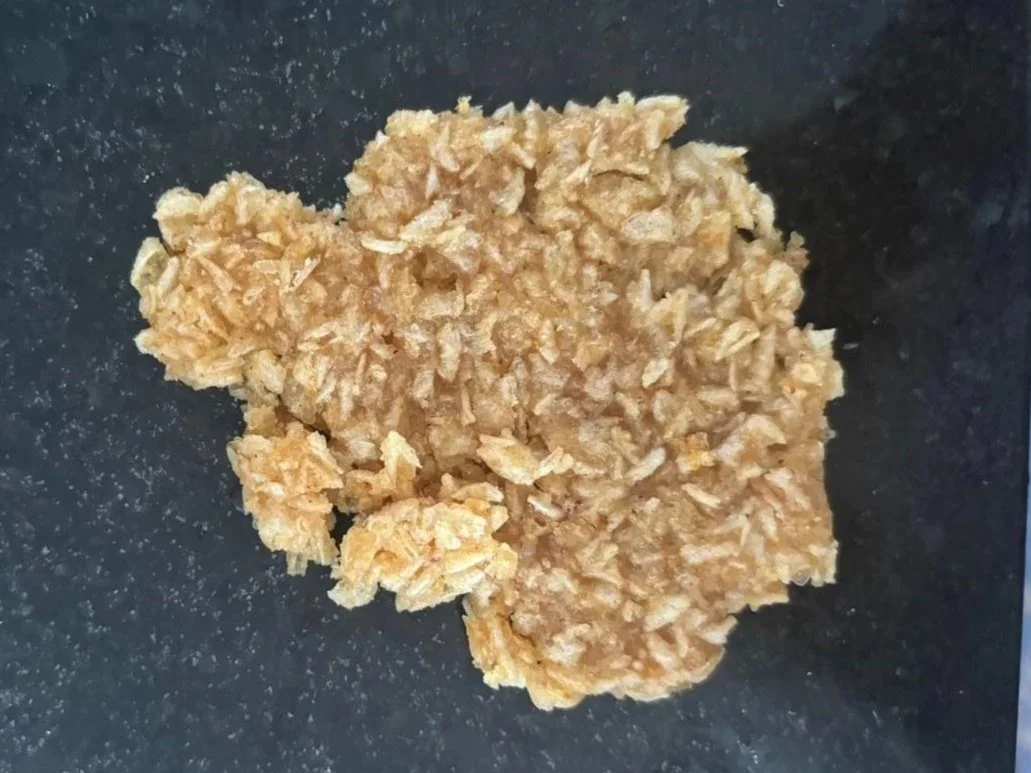
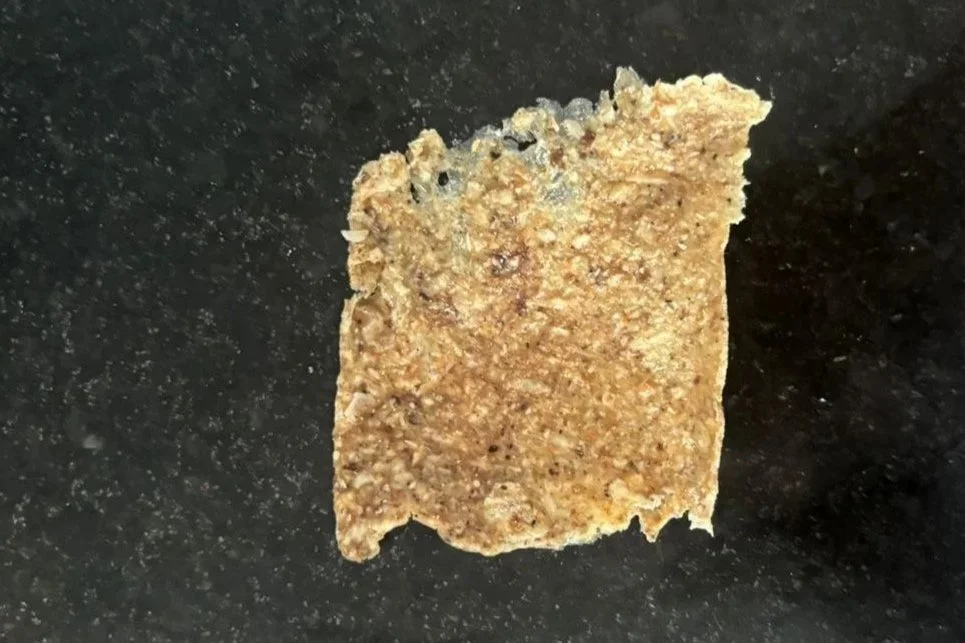
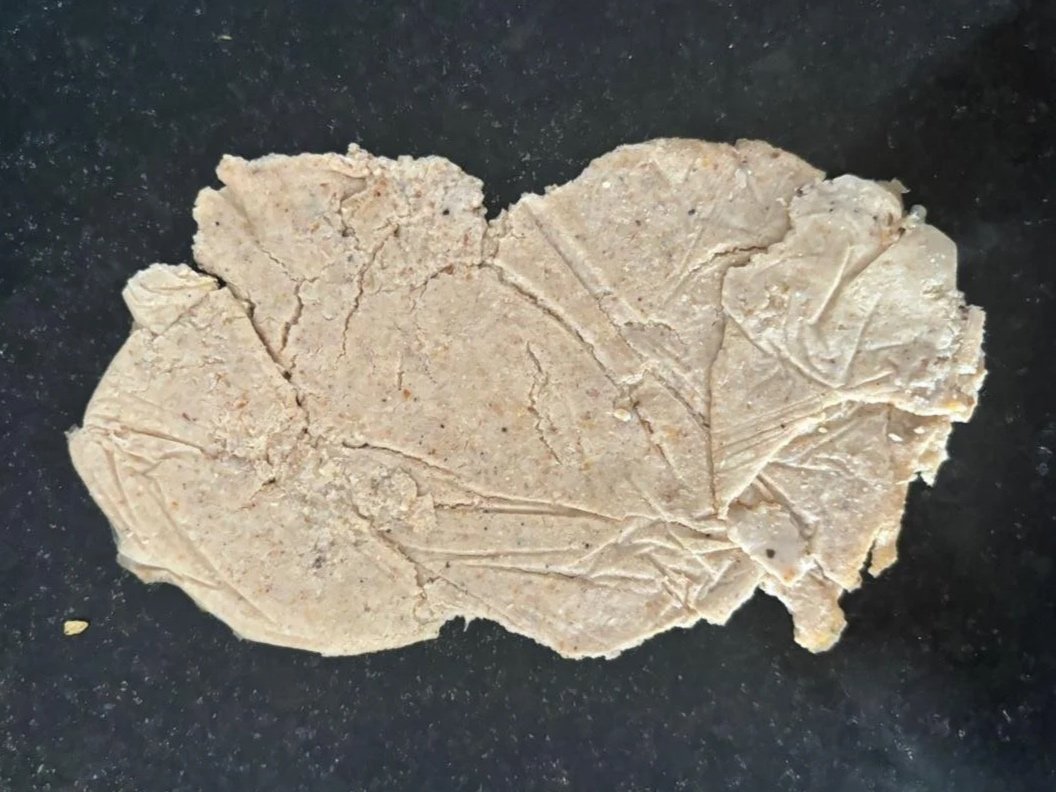
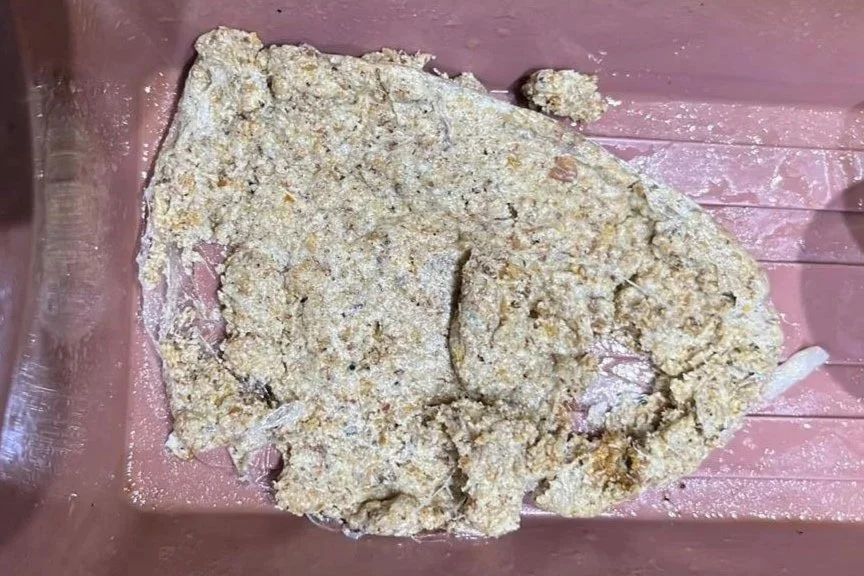
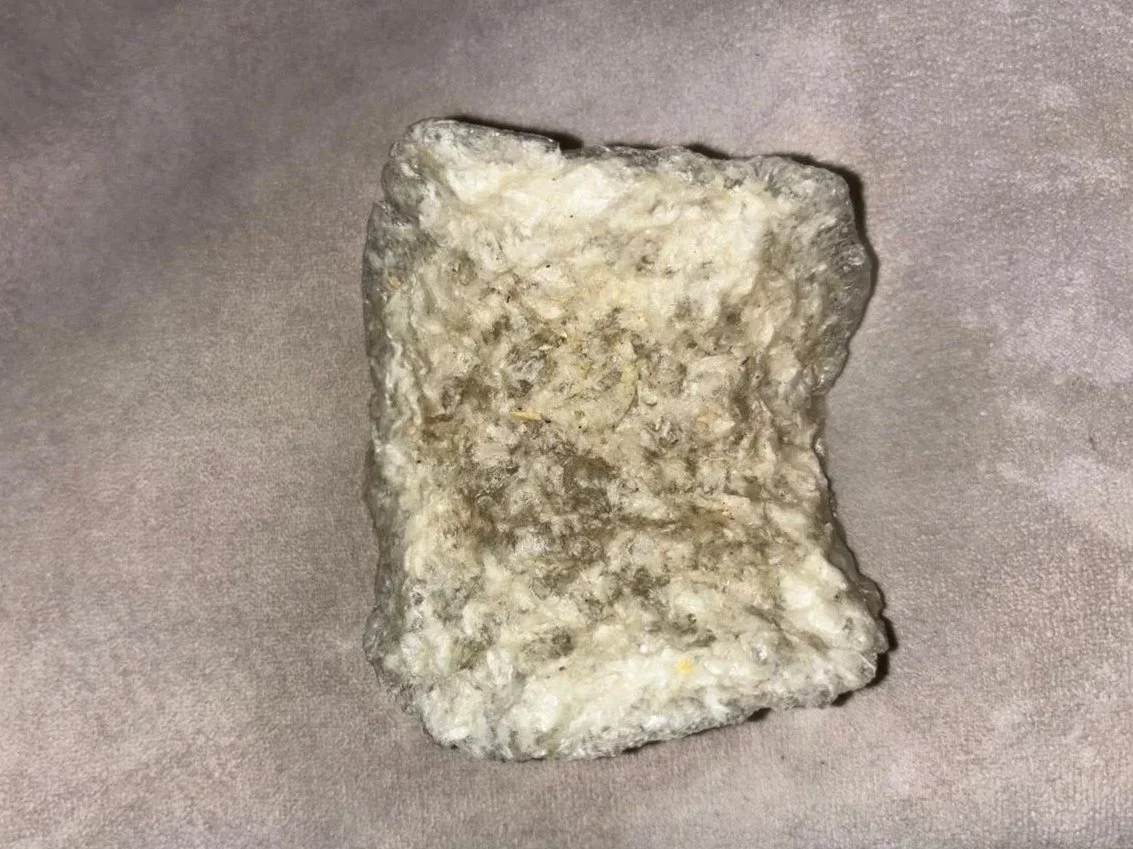
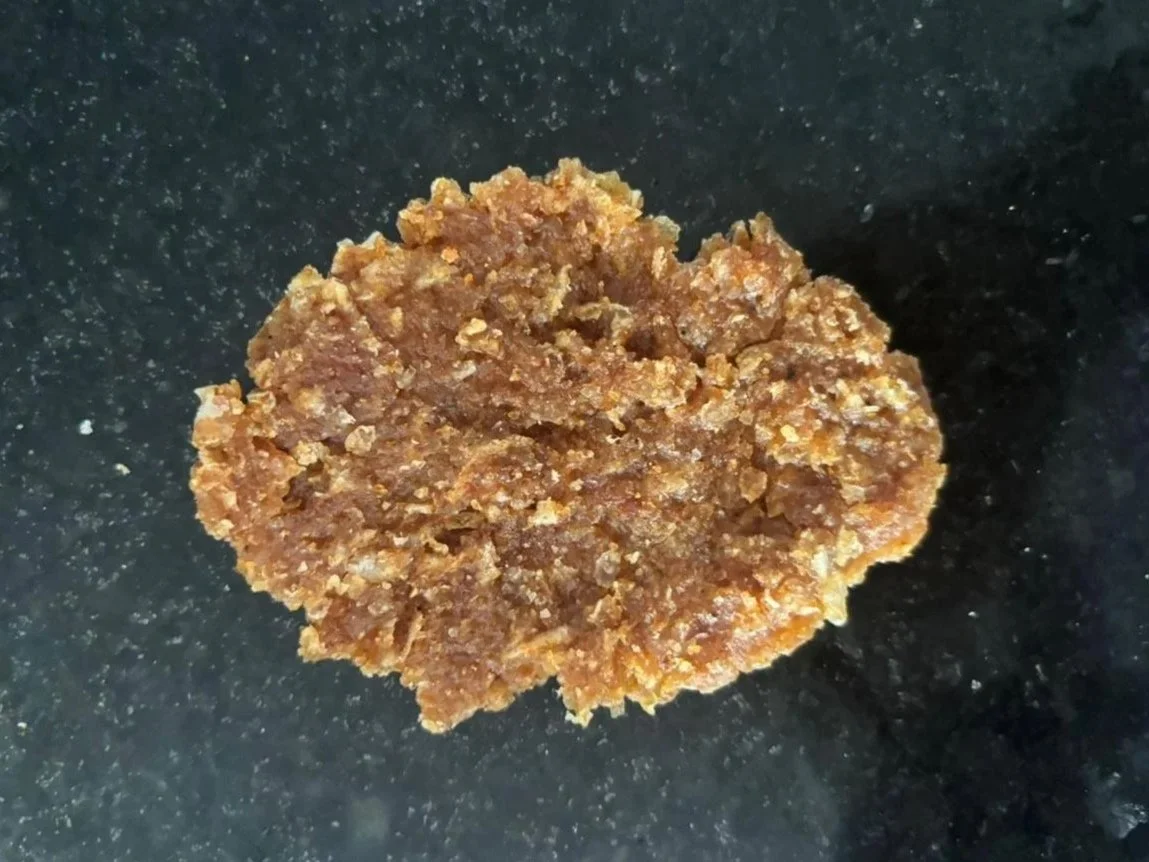
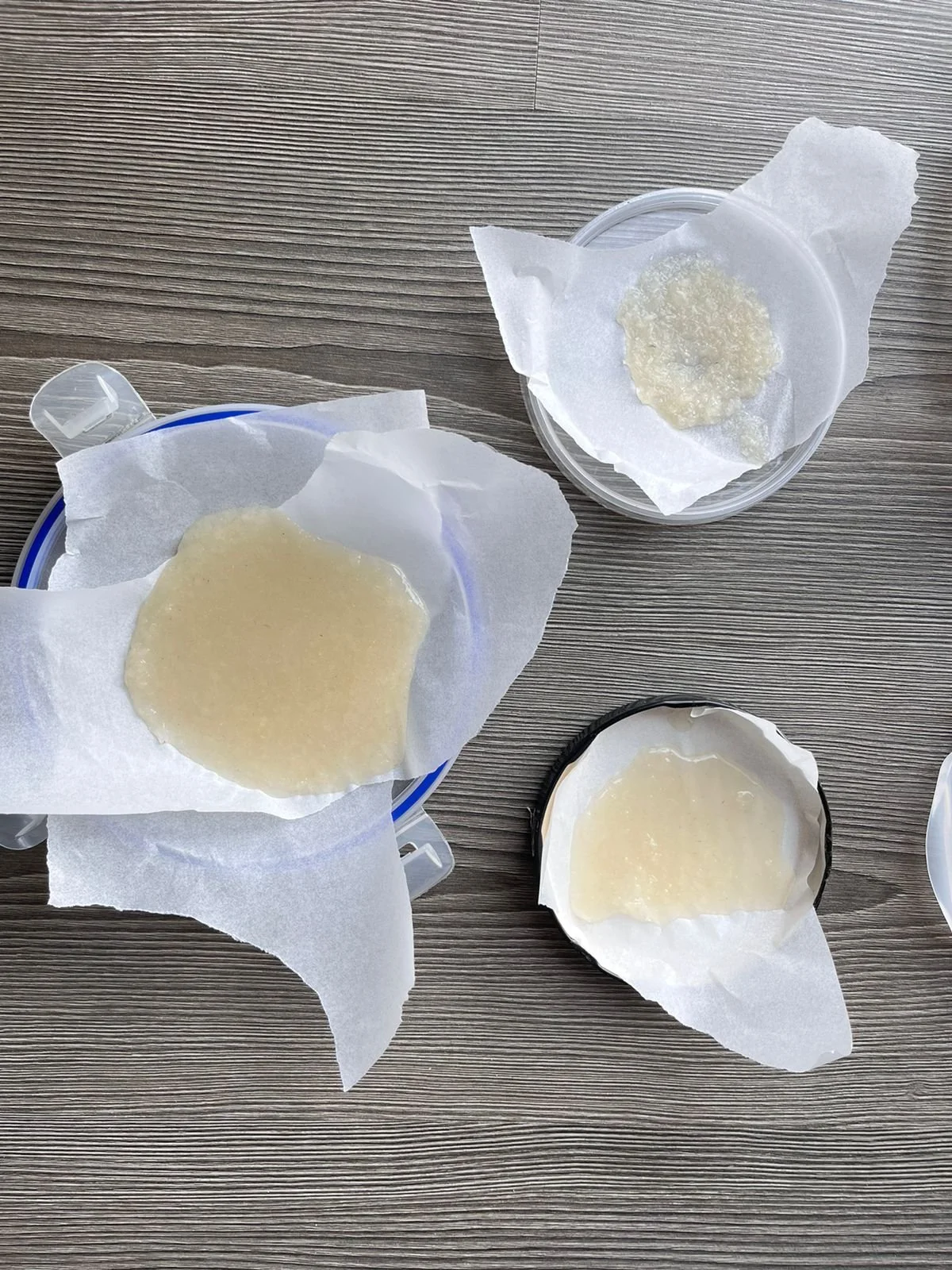
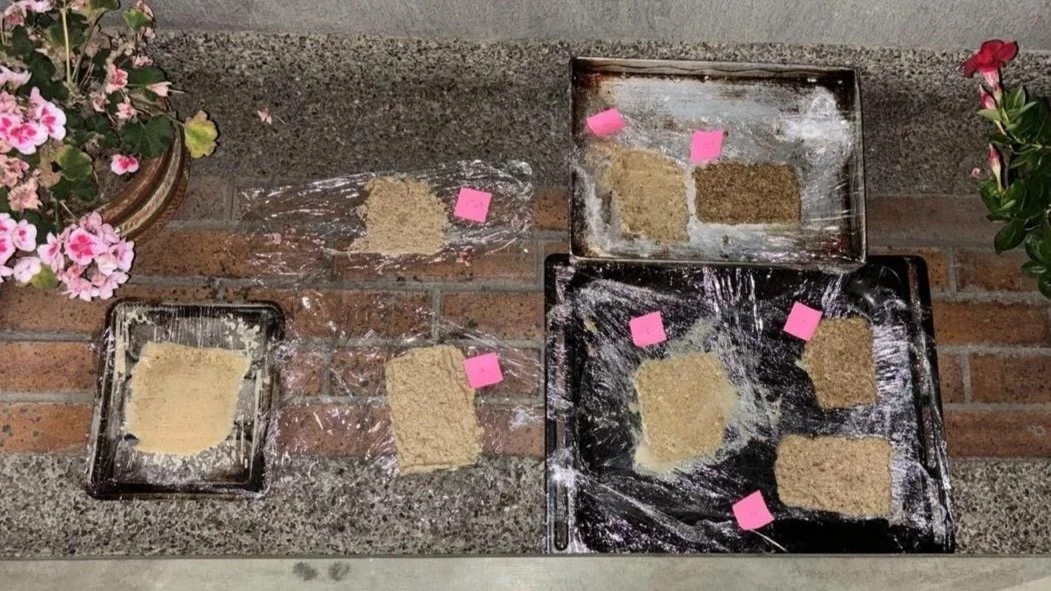
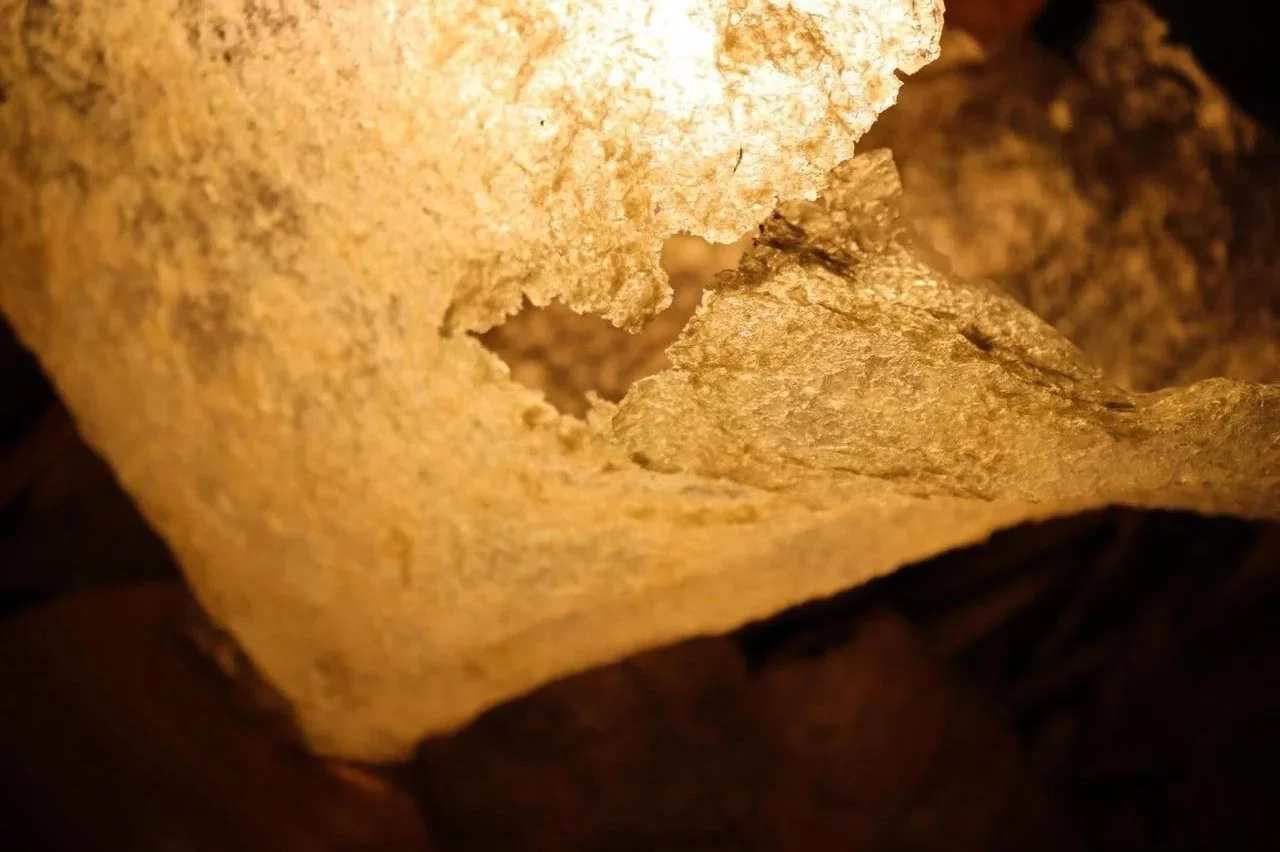
and then ALBUS came to life…
It is an organic material derived from the animal kingdom that is malleable. Both heat and water are ideal for shaping it into unique, complex, and functional forms. The result is a translucent, lustrous, and rough material.
But there’s more to do with it
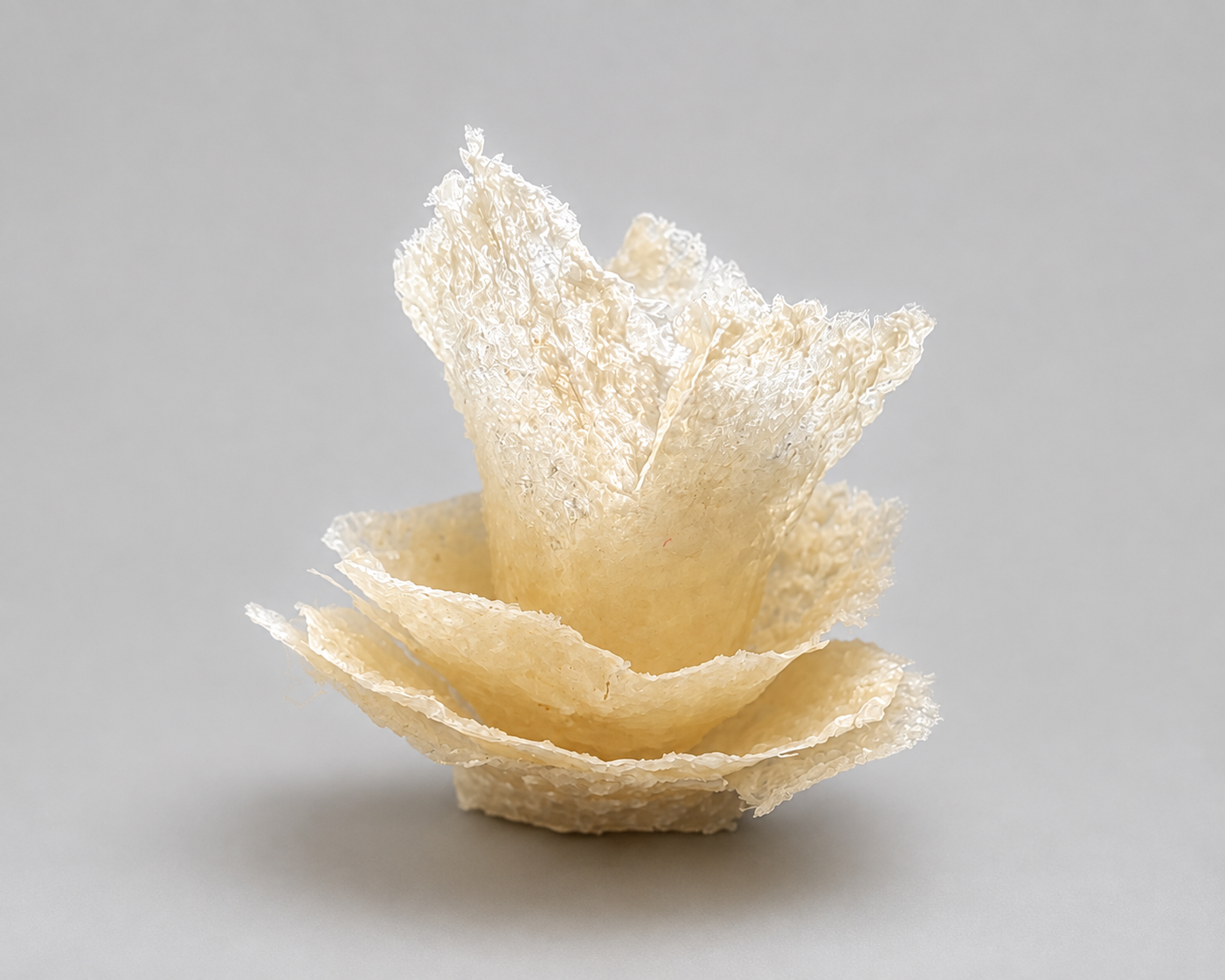
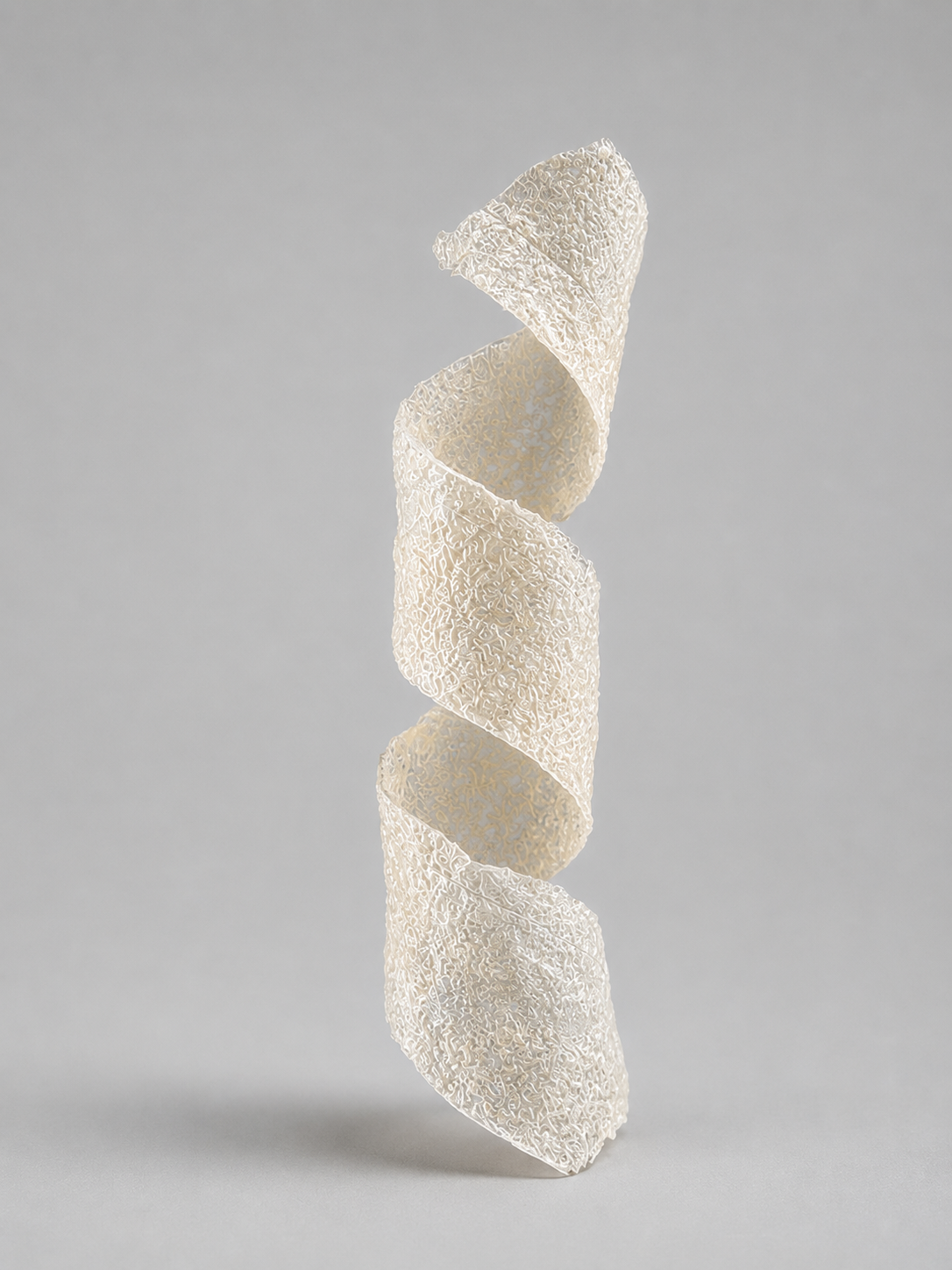
The flower
The twist
Developing a material isn't just about producing small samples; it's about exploring its full potential. It involves experimenting with shapes and structures that take it beyond a simple sheet and imagining new ways to use it. That's why we experimented with Albus to discover what other shapes, structures, and possibilities we could achieve with it.
process of exploration and creation
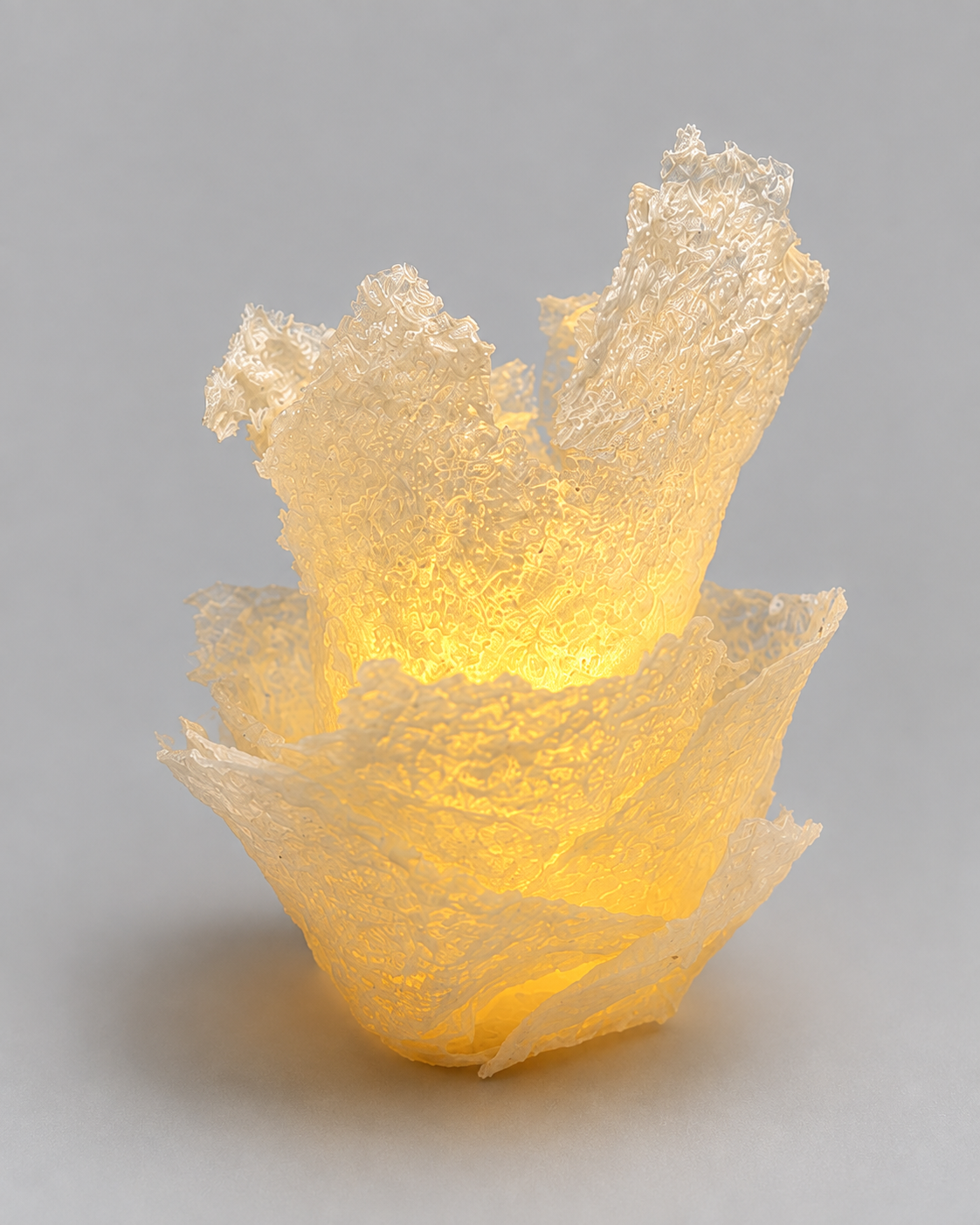
The flower light
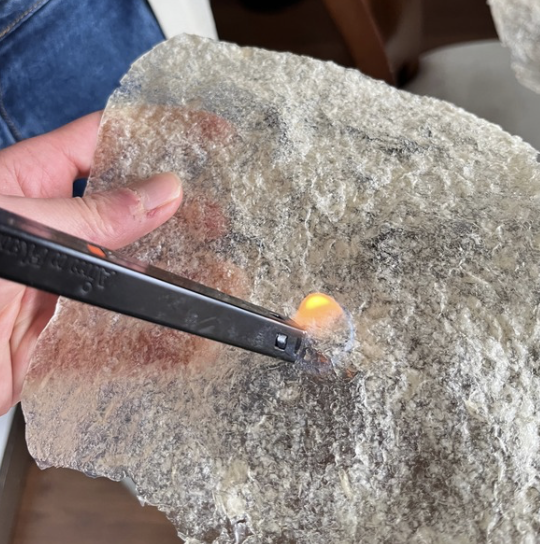
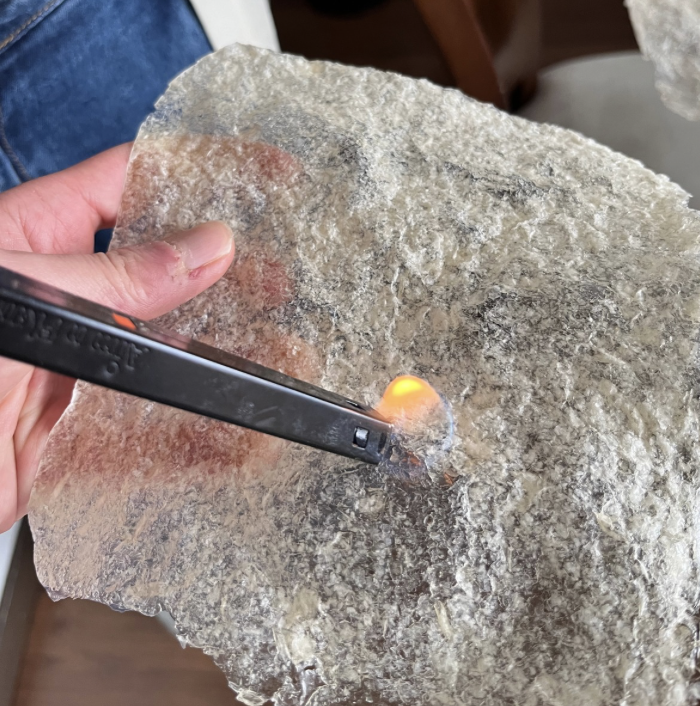
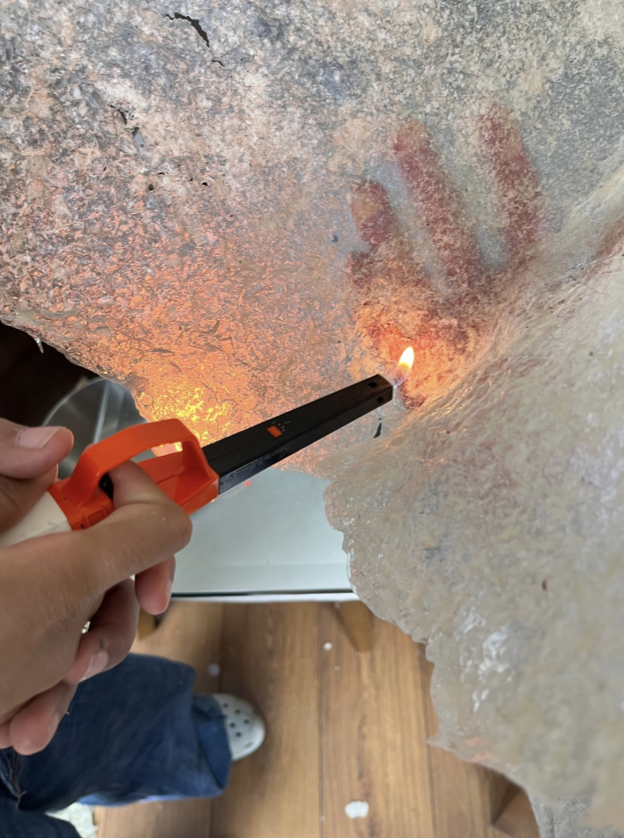
Through trial and error, we realized that the material tends to soften when exposed to direct heat. By using a lighter and applying gentle pressure, you can alter the material, and it dries almost immediately. At the same time, by submerging the material samples in water for no more than 6 seconds, the material's structure can be altered, allowing for delicate bends. If the shape is held in place, the material dries after several hours in the desired form.
The material takes between 2 and 5 days to dry, depending on its size, and must be exposed to sunlight and kept in areas with low humidity so that the material itself does not absorb moisture.
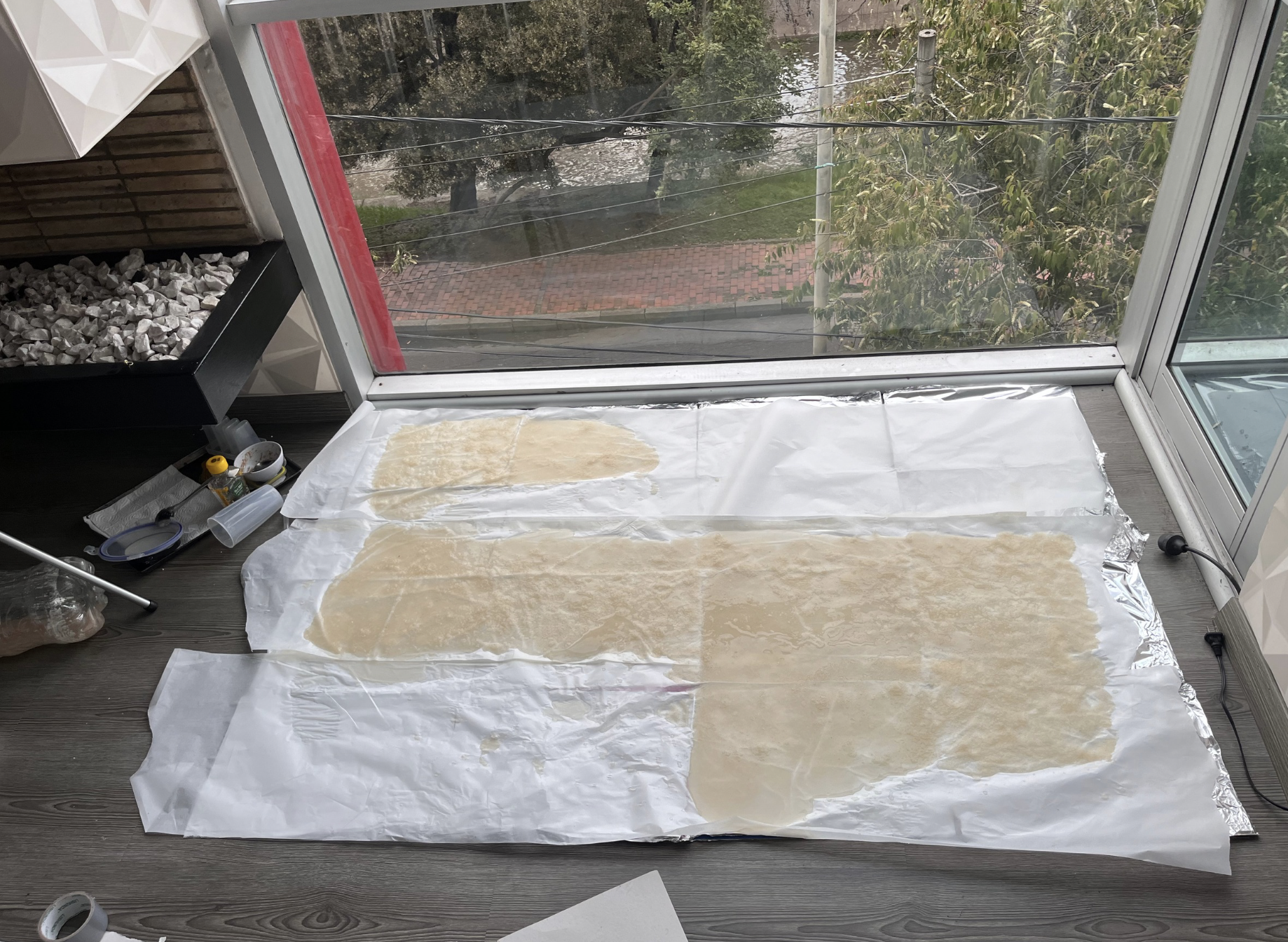
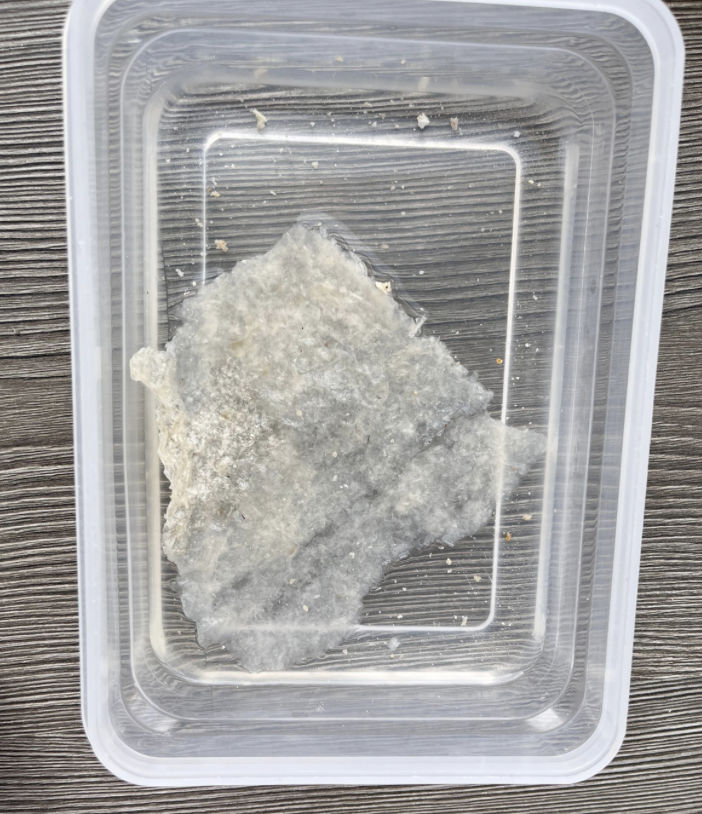
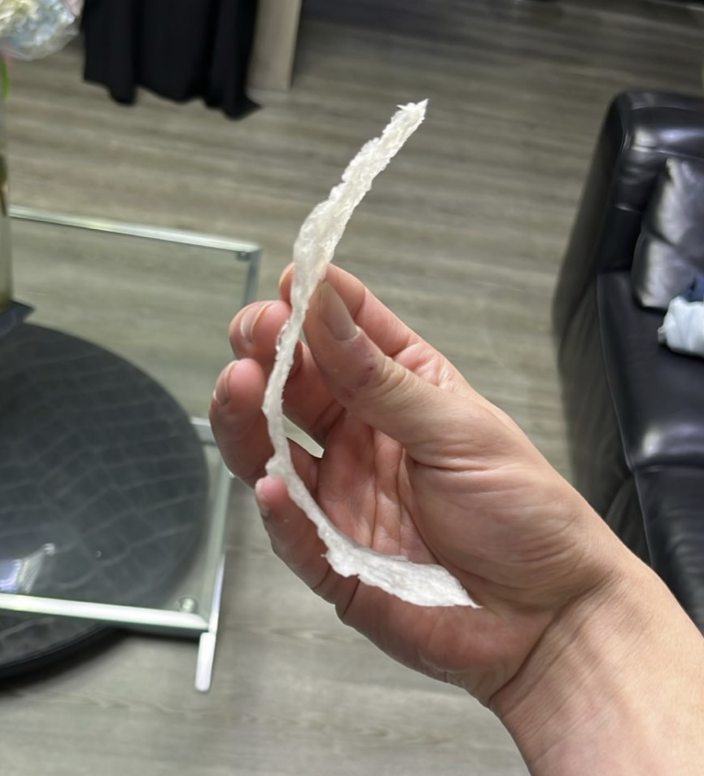
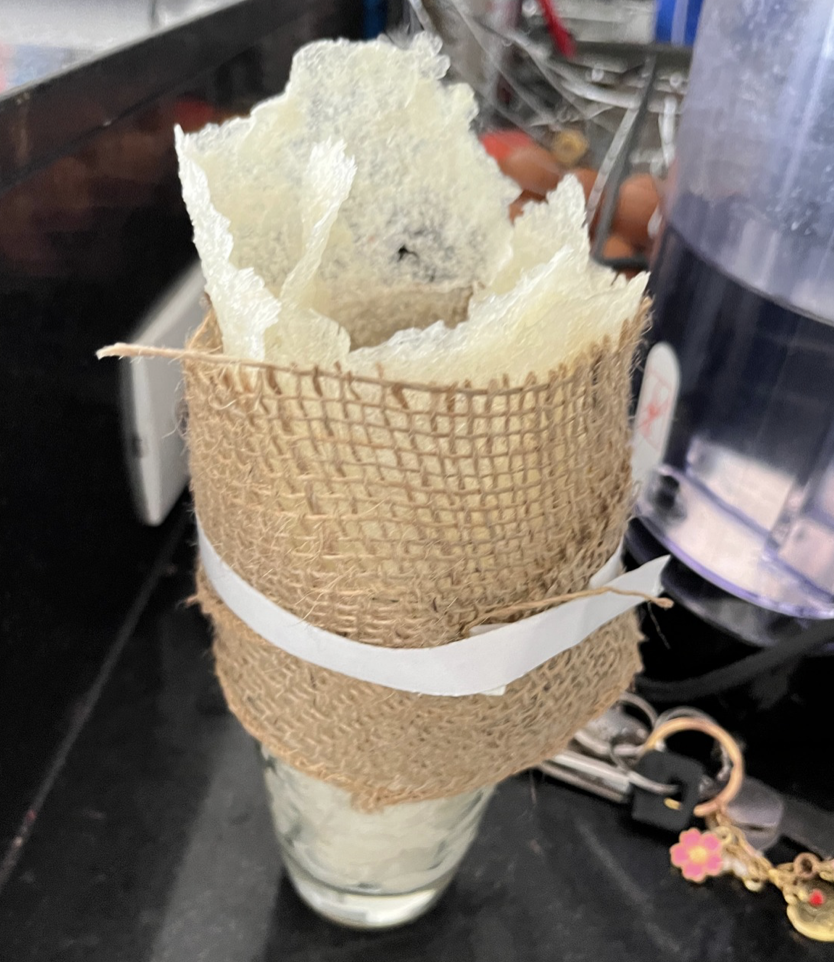
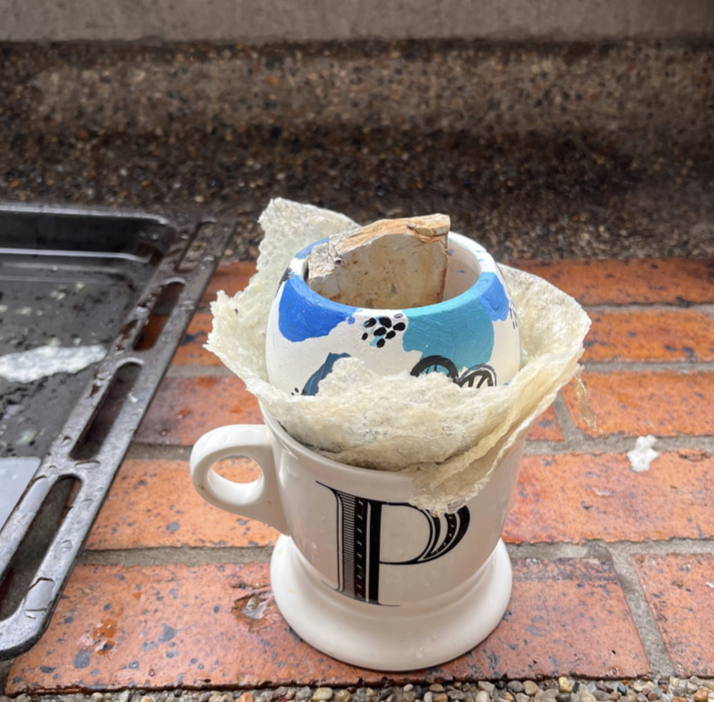
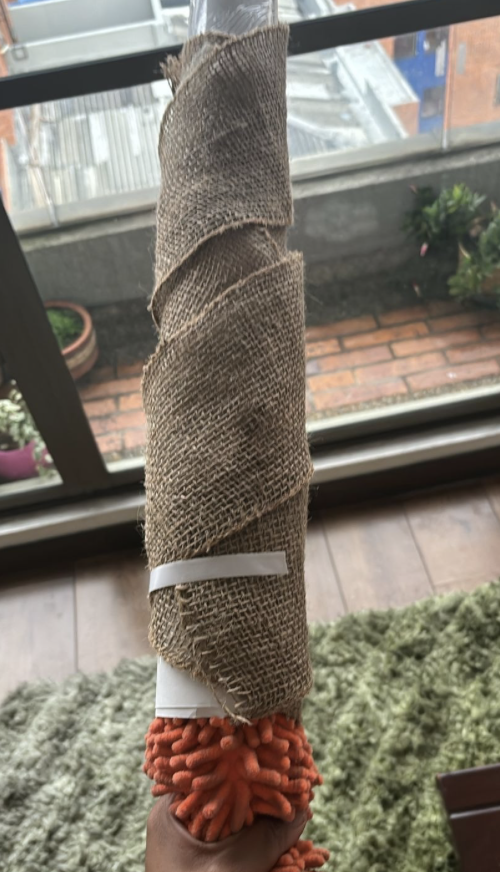
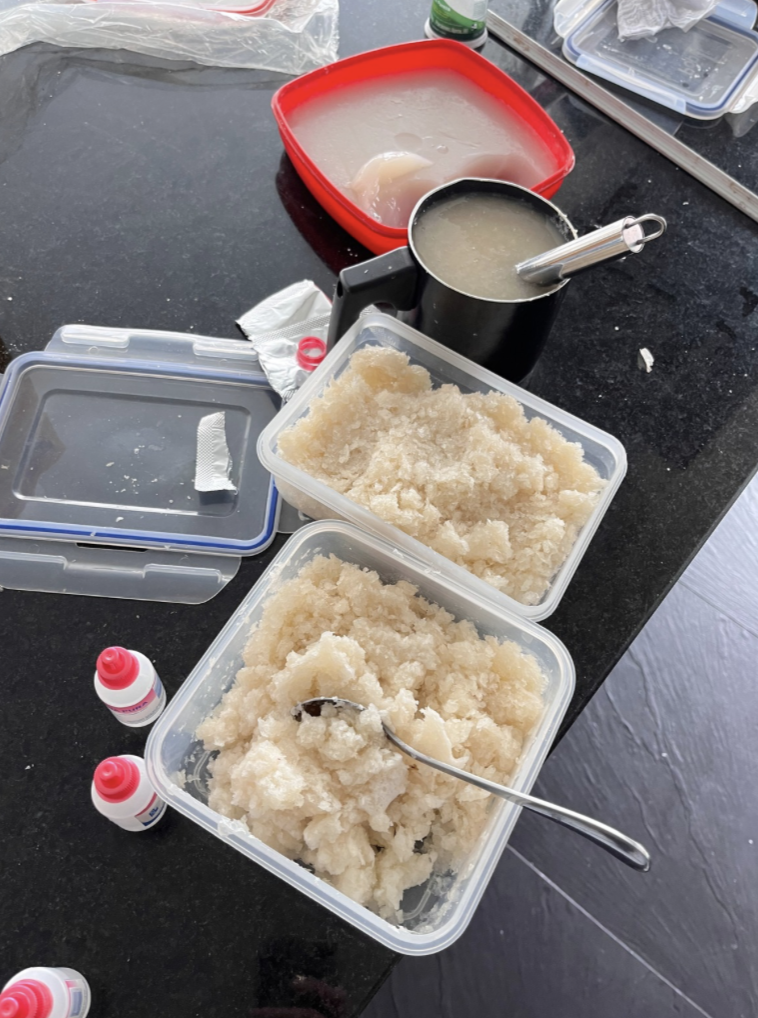
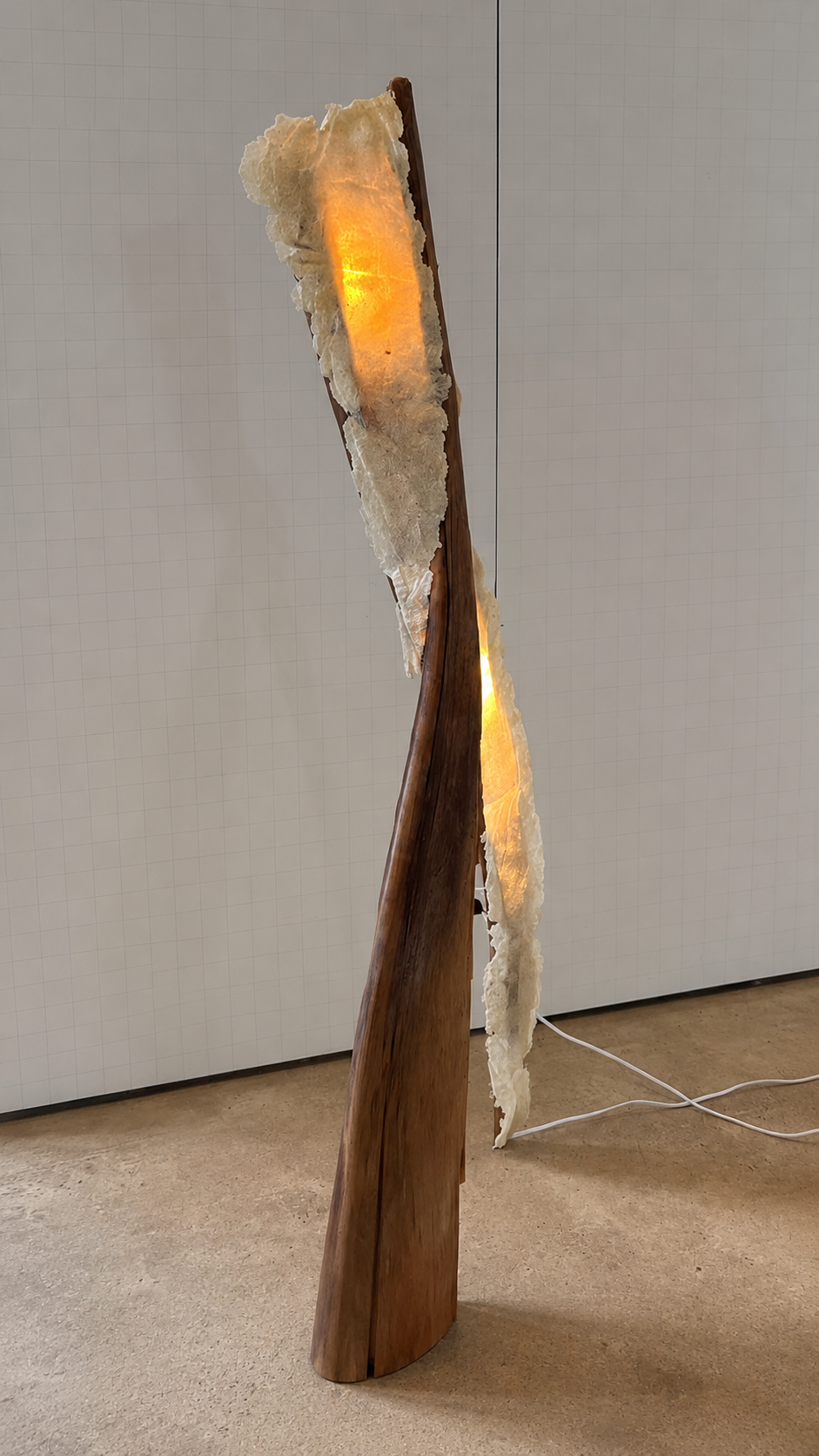
As a result, we were able to make the first sample product where one of its materials was ALBUS.
A fully functional lamp with Albus following this idea of get lit by light and is use to diffuse it.